
MCP for the eCommerce DTC Operator: the persona hub
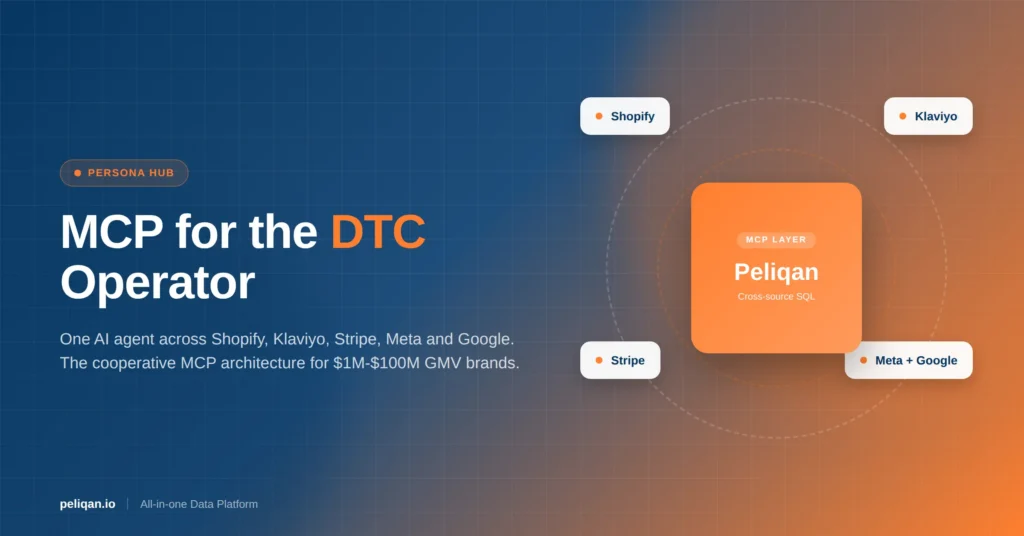
MCP for ecommerce in 2026 is not one tool. It’s four cooperating MCP surfaces, with a warehouse-first MCP on top to answer the one question none of them can answer alone. This is the persona hub for the VP eCommerce, Head of Growth, or founder running a $1M to $100M GMV DTC brand on Shopify […]
Agentforce 3 vs Peliqan MCP: the hosted MCP
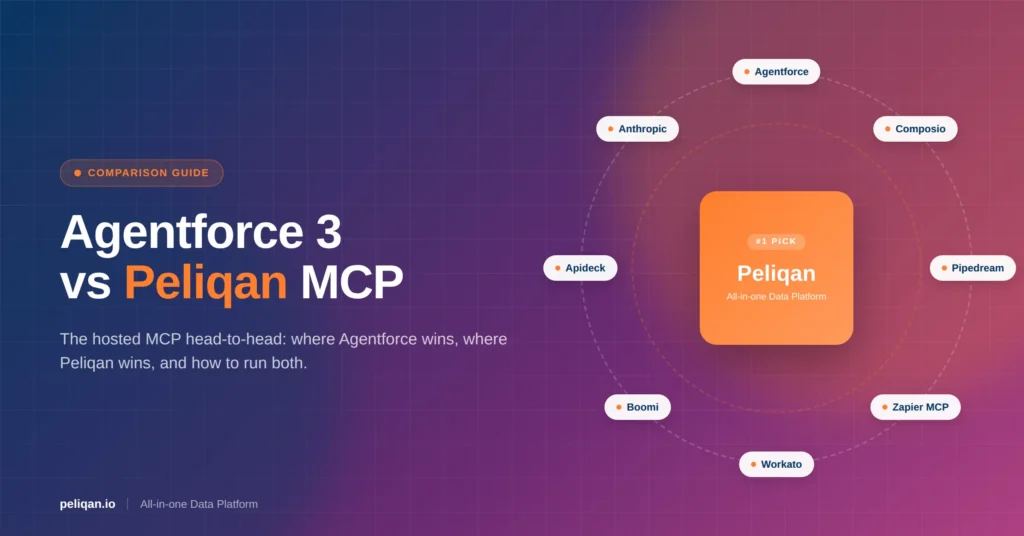
On April 29, 2026, Salesforce shipped its hosted MCP server to general availability. Ten months earlier, on June 23, 2025, Agentforce 3 launched with a native MCP client. Salesforce is now both an MCP host and an MCP server. So the comparison every EU CTO, CIO, and RevOps leader has to make in 2026 just […]
DORA + MCP: financial services AI compliance 2026
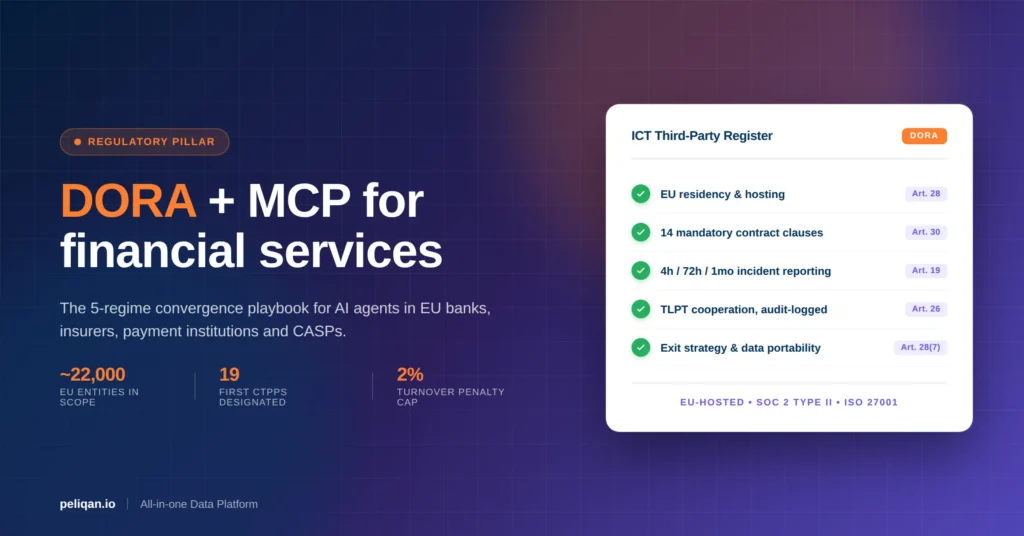
DORA has applied since 17 January 2025 across approximately 22,000 EU financial entities. So every MCP server a bank, insurer, investment firm, or payment institution uses now lands on its Article 28 ICT third-party register. This blog is the procurement-grade playbook for evaluating an MCP vendor under DORA. What to ask, what concentration risk looks […]
MCP Server pricing 2026: What EU buyers should pay
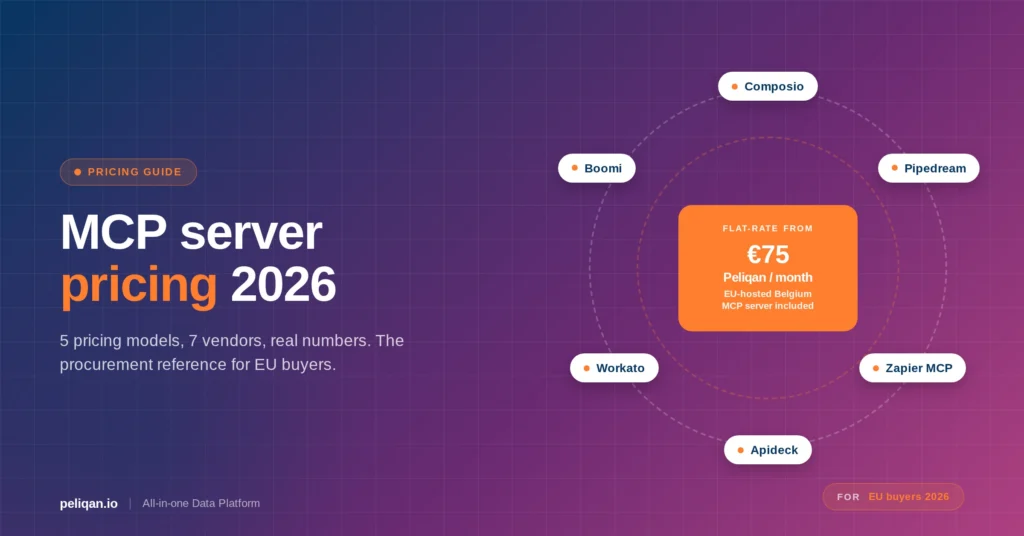
MCP server pricing is the most opaque line item in the 2026 AI agent stack. Five different vendors price five different ways – per tool, per call, per seat, per workspace, or flat-rate with warehouse included – and the headline sticker rarely matches what EU buyers actually pay after token costs, EU-hosting premiums, and overage […]
MCP for CTO: Enterprise Architecture Build vs Buy guide

MCP for CTO and CIO leaders is the architectural conversation that moved up the org chart in 2026. The Model Context Protocol (MCP) is no longer a side-project a senior engineer ships in a weekend – it is a Tier-1 dependency that has to pass security review, FinOps review, and EU regulatory review before it […]
Peppol MCP: Pan-EU e-Invoicing for AI Agents
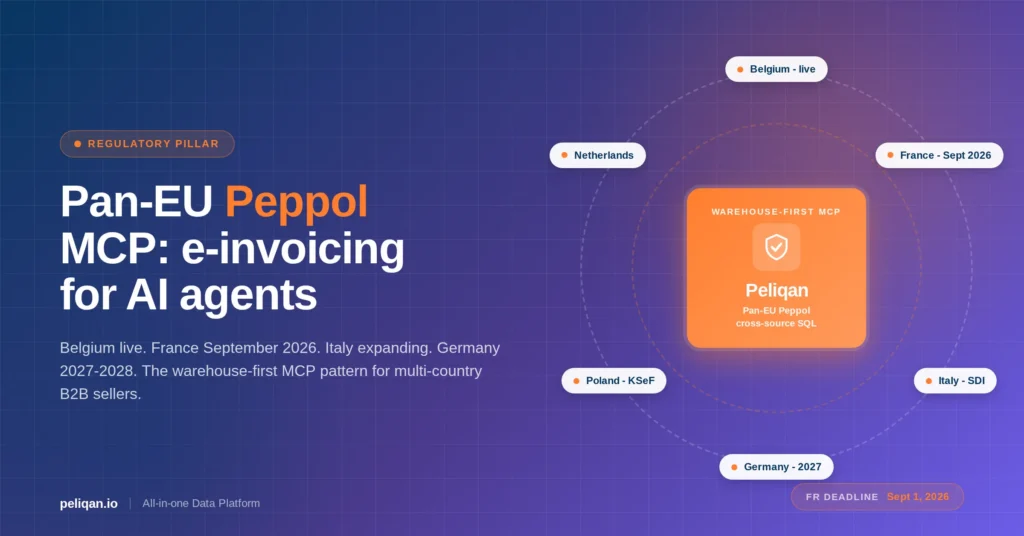
Belgium switched on B2B Peppol in January 2026. France switches on in September 2026. Italy is expanding SDI to inbound Peppol. Germany is finalising 2027-2028. Most EU B2B sellers face at least one mandatory e-invoicing regime per country by Q3 2026 – and any AI agent that reads or writes to those invoices needs an […]
MCP Rate Limits: A Practical Guide for Agent Builders

MCP rate limits are the single most common production failure mode for AI agents in 2026. Every Model Context Protocol (MCP) server you build will hit a throttle by the third or fourth Claude turn, and the question is not whether you will hit 429s – it is whether your architecture recovers gracefully or crashes […]
MCP for Odoo Partners: 50 clients, one cross-database MCP
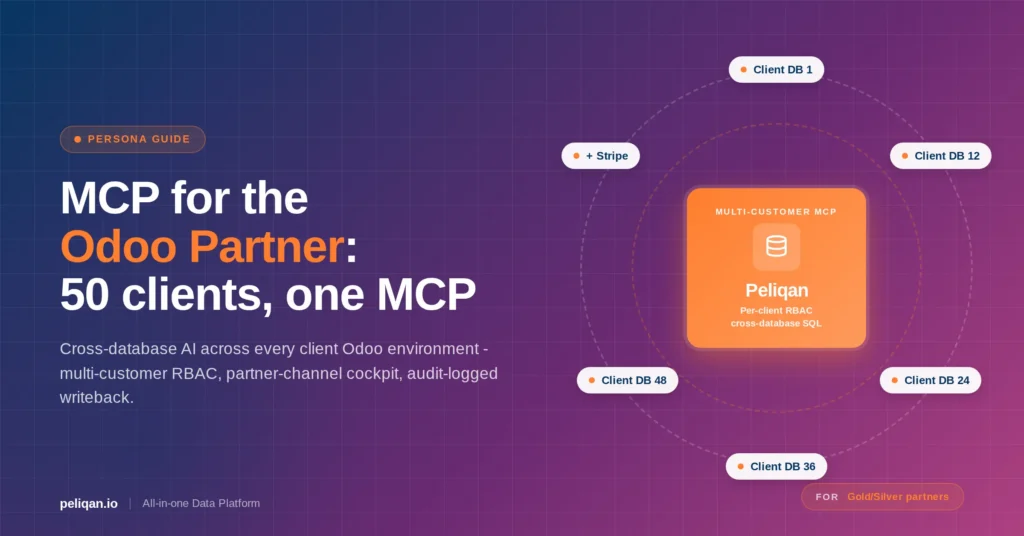
“Across all 50 client Odoo databases, which clients have margin contraction in the last 90 days?” This is the standing partner-channel question every Gold or Silver Odoo Partner asks but cannot answer inside any single client’s Odoo database. None of the per-database MCP wrappers reach across the client book. This is the persona post for […]
MCP for the Belgian Accountancy Partner
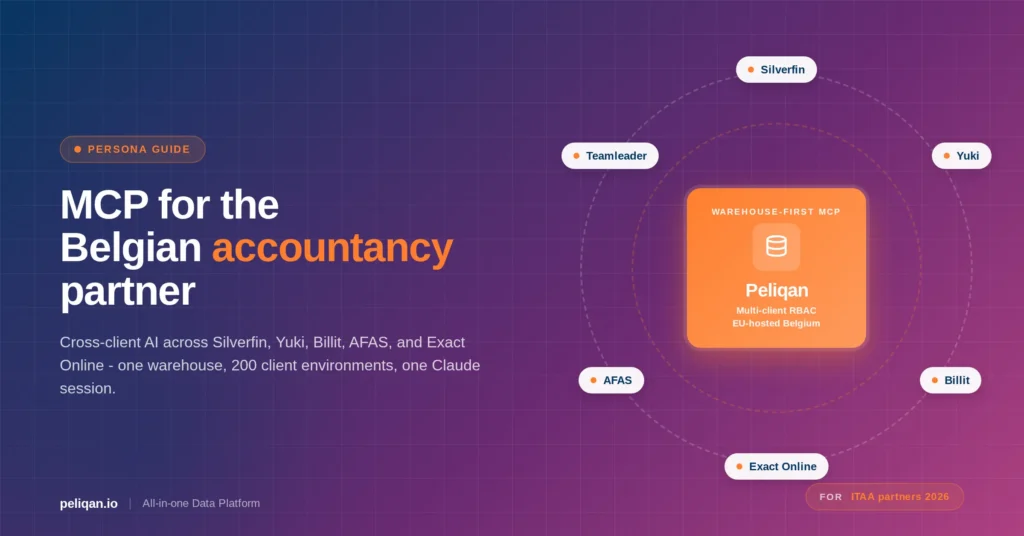
“Across all 200 client environments, which Belgian Peppol invoices haven’t been acknowledged within 48 hours? Group by client and AccessPoint.” This is the standing partner-level question every Belgian accountancy firm has been quietly asking since the January 1, 2026 Peppol mandate went live. None of the per-vendor AI tools answer it. This is the persona […]
MCP for RevOps leader: cross-source AI agents
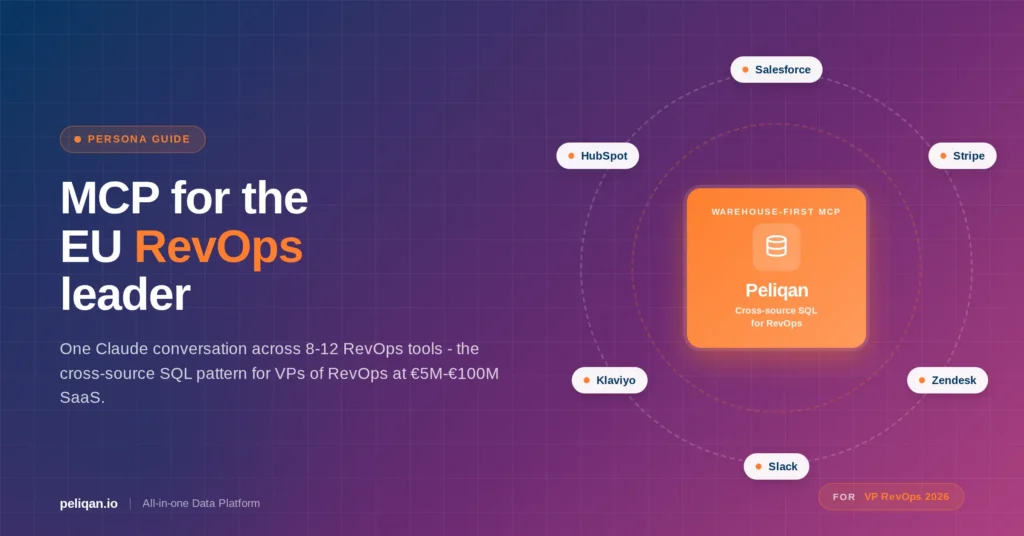
“Show me the top-100 customers by ARR with open Sev-1 Zendesk tickets where Stripe payments have failed twice in the last 60 days.” This is the Monday-morning question every VP of RevOps actually asks. Specifically, it spans Salesforce, Stripe, Zendesk, and product analytics in one breath. None of those vendor MCPs answer it alone. This […]