


Connect Fortnox to Power BI in minutes with Peliqan. In this tutorial, you use the Fortnox Power BI connector to load live Fortnox data – invoices, customers, suppliers, articles, vouchers and accounts – into Power BI for reporting and dashboards, so you skip manual exports and API work.
How to connect Fortnox to Power BI
- 1First, connect Fortnox in Peliqan. Sign up, then authenticate your Fortnox account through the Fortnox connector. Peliqan handles authentication, rate limits and incremental refresh for you.
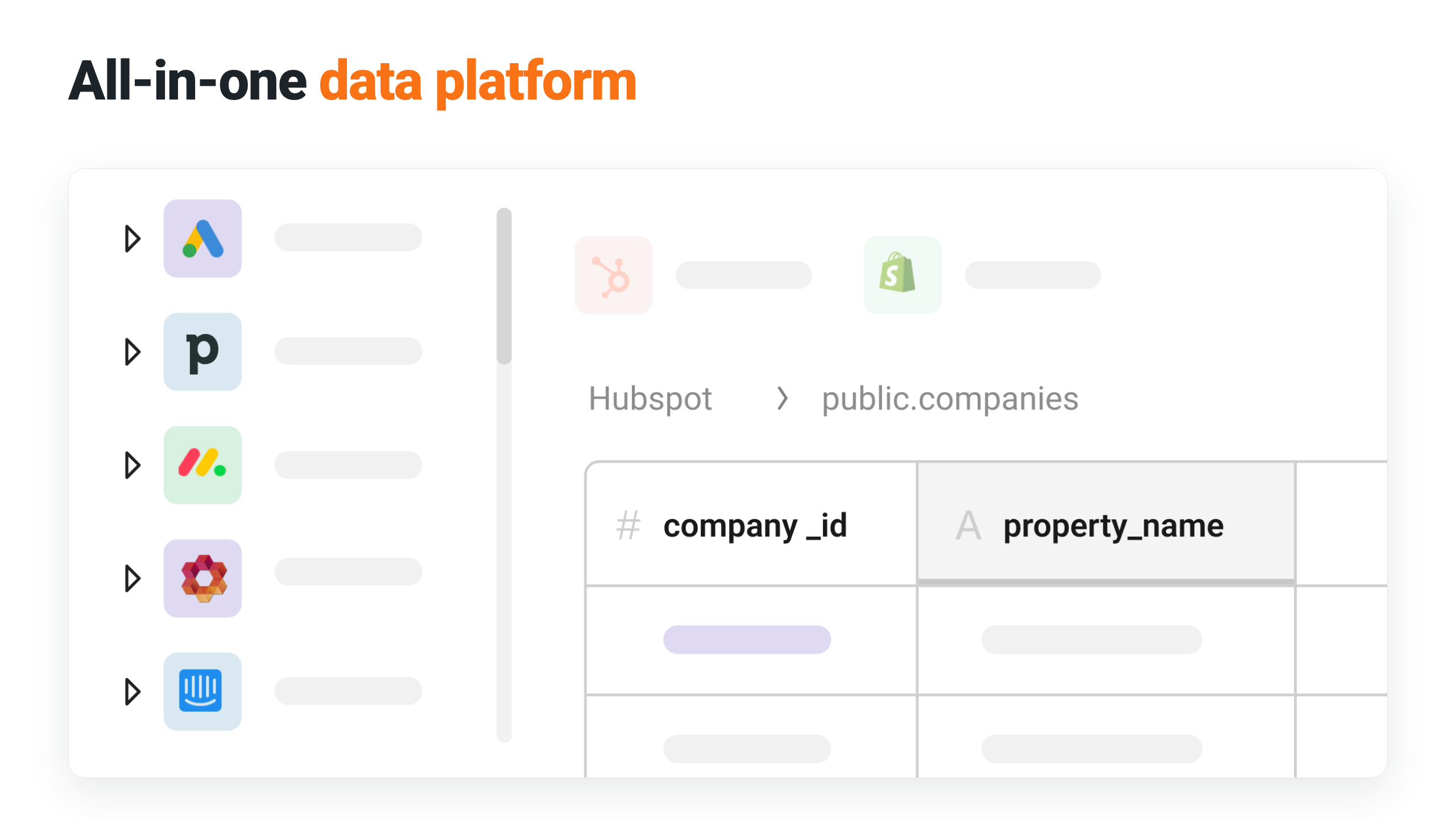
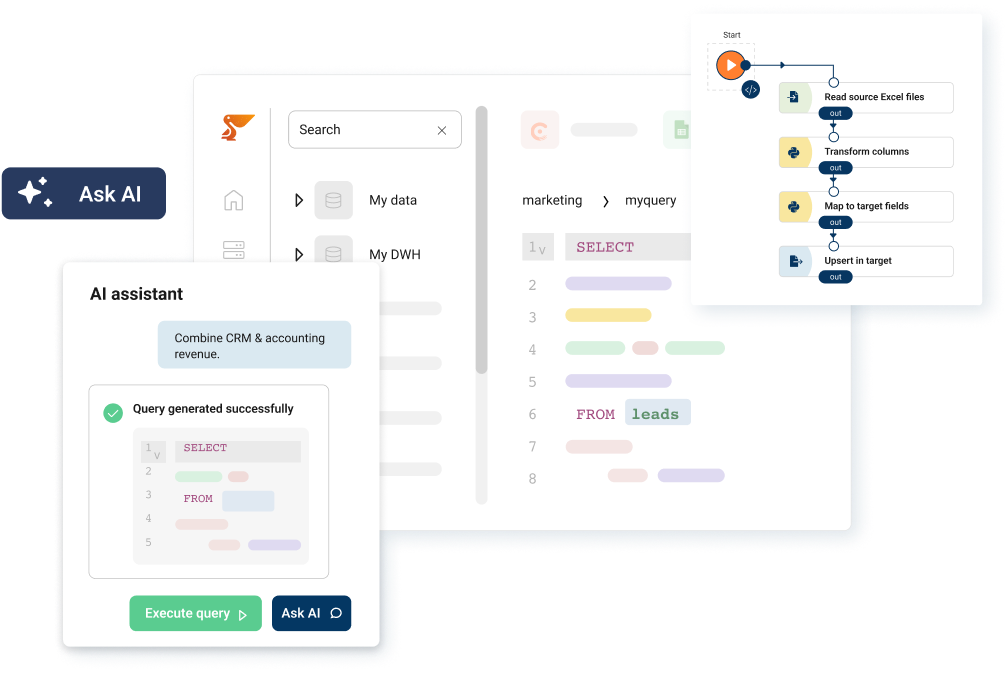
- 2Next, Peliqan syncs your data. Peliqan loads your Fortnox data into its built-in cloud data warehouse and exposes it as clean SQL tables and views.
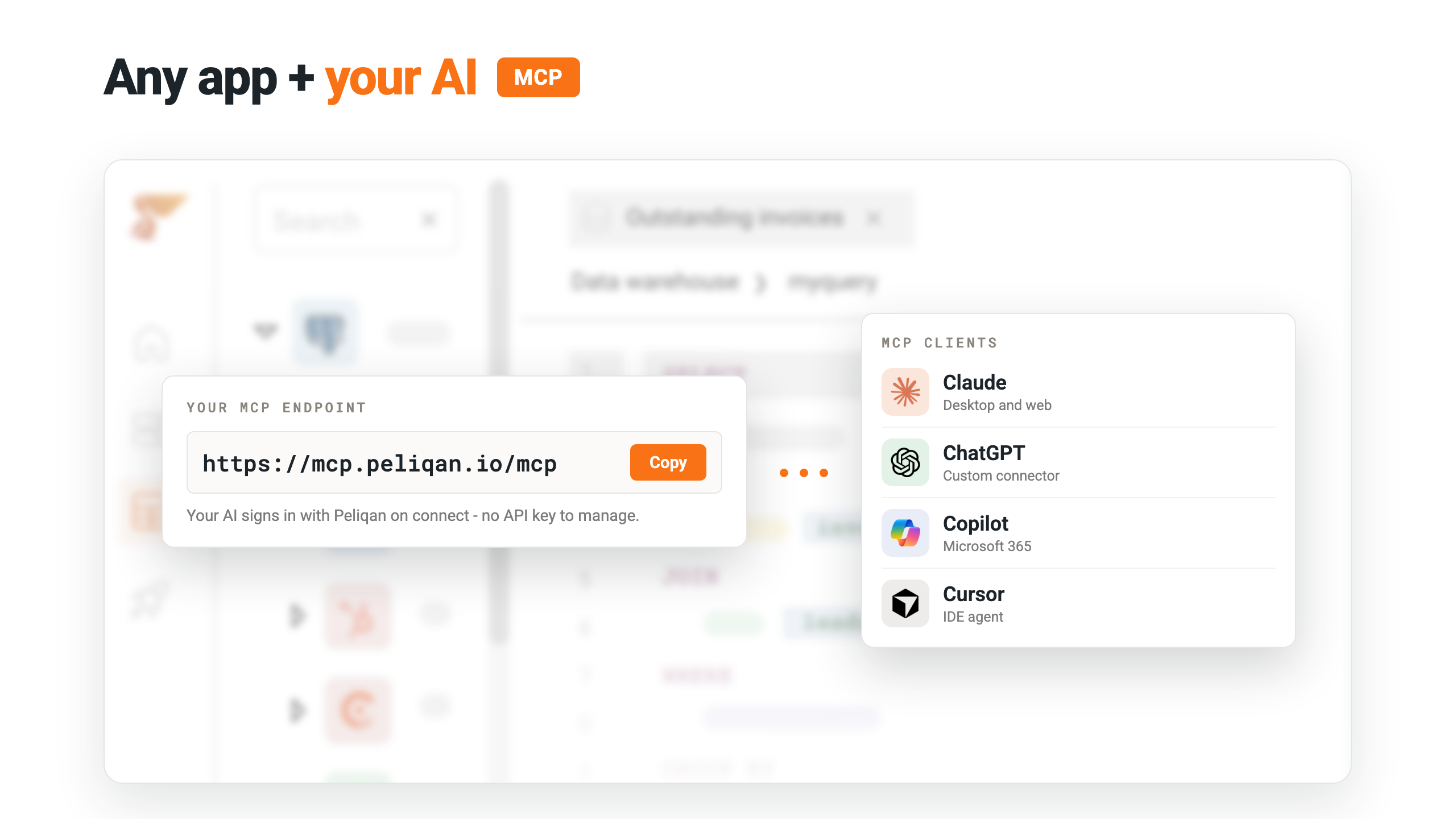
- 3Finally, connect Power BI. Point Power BI Desktop or Power BI Service at the PostgreSQL endpoint Peliqan provides, then import or use DirectQuery to build your reports.
What you can build in Power BI with Fortnox data
- Revenue and P&L dashboards
- AR and AP aging
- Sales by article
- Cash-flow reporting
- Combine Fortnox with CRM, HR or operational data in one Power BI model
Live dashboards and automatic refresh
Peliqan keeps your Fortnox data current on a schedule, so reports in Power BI Service refresh automatically without manual exports. Moreover, every report – from revenue and P&L dashboards to cash-flow reporting – runs on the same governed warehouse, so you work from one consistent source of truth. To see how Peliqan feeds any BI tool, visit the Peliqan for BI & reporting page.
No code or native connector needed
Fortnox does not ship a native Power BI connector. Instead, Peliqan provides a managed Fortnox-to-Power BI connector that handles the API, sync and data modelling, so you write and maintain no integration code. It works with Power BI Desktop, Power BI Service and Power BI Pro or Premium. You can also connect Tableau, Looker or Metabase to the same Power BI connector.
Ready to connect Fortnox to Power BI? Get started with Peliqan.