

Peliqan

Qdrant & Metabase Integration

Instantly connect Qdrant to Metabase – or to any other BI tool. Combine your Qdrant data with other business systems for unified analytics and real-time insights in under 5 minutes.

Qdrant
Metabase

Sync Qdrant to Metabase


Metabase

Metabase is the most popular open-source BI tool, used by thousands of startups and SMBs for its self-serve question-asking interface, dashboards, and SQL editor. It connects to warehouses and databases, so a clean upstream warehouse is essential. Peliqan pairs naturally with Metabase by handling the SaaS-to-warehouse data layer through managed connectors.


Qdrant

Qdrant is an open-source vector database built to store embeddings and run similarity search for RAG and recommendation workloads. Its usefulness depends on the freshness and structure of the records behind the vectors. Peliqan keeps Qdrant fed from 300+ business applications through managed connectors, with incremental syncs so the vector store reflects current data.

Common Metabase to Qdrant use cases

Centralizing Metabase data for analytics
Joining Metabase with other operational systems
Building a single source of truth in Qdrant
Real-time reporting on Metabase activity
AI and ML on Metabase historical data
Reverse ETL from Qdrant back into Metabase

More destinations for Metabase

Send data out

Sync your Metabase data into these databases and warehouses.
Metabase

MongoDB

MongoDB

Metabase

Elastic Search

Elastic Search

Metabase

MySQL

MySQL

Metabase

Postgres

Postgres

Metabase

MS SQL Server

MS SQL Server

Metabase

DynamoDB

DynamoDB

More sources for Qdrant

Bring data in

Sync data from these business apps into Qdrant tables.

Qdrant

Customer.io

Customer.io

Qdrant

Voucherify

Voucherify

Qdrant

Tally

Tally

Qdrant

Salesforce

Salesforce

Qdrant

ActiveCampaign

ActiveCampaign

Qdrant

Intercom

Intercom

Instant Data Warehouse & Analytics

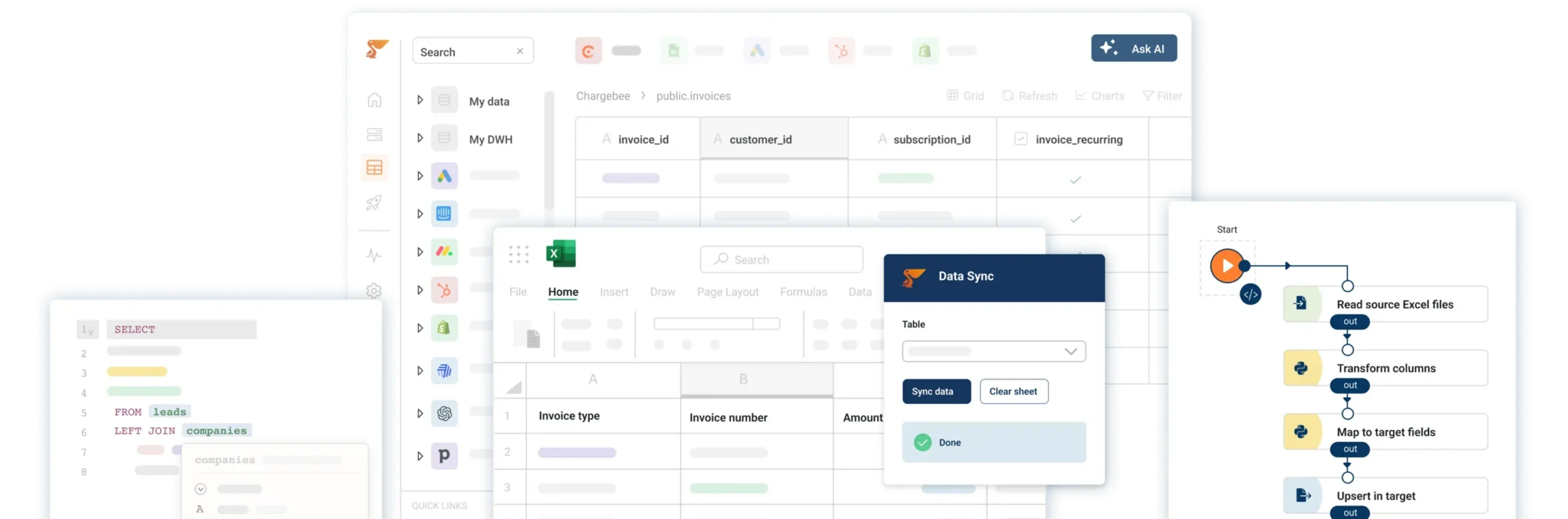
Peliqan brings ETL pipelines, data transformations and reverse ETL together in one integrated platform. Connect your favorite BI tool and activate your data with SQL and low-code Python.

Built-in Data Warehouse

Built-in Data Warehouse

Your Qdrant data is stored in a high-performance built-in warehouse optimized for analytics. Run cross-source queries, create materialized views, and join datasets in real time.

One-Click BI Integration

One-Click BI Integration

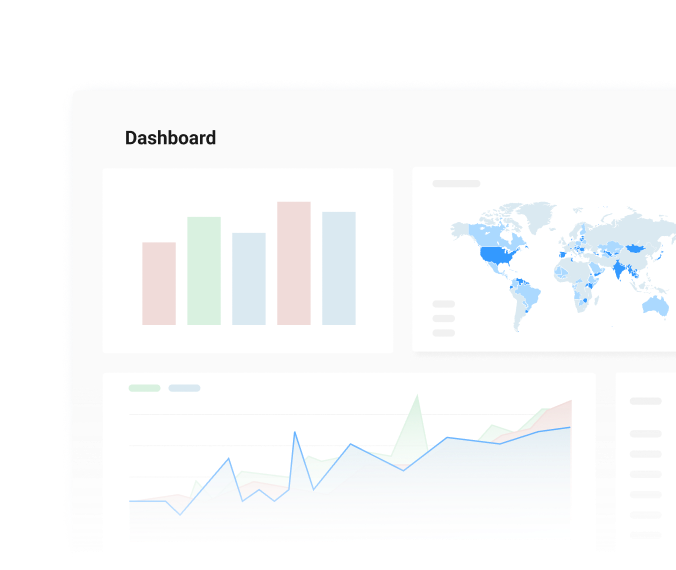
Connect Metabase to the Peliqan data warehouse with a few clicks – no APIs or drivers to manage. Your Qdrant data is ready for dashboards and reports instantly.

AI-Powered SQL Analytics

AI-Powered SQL Analytics

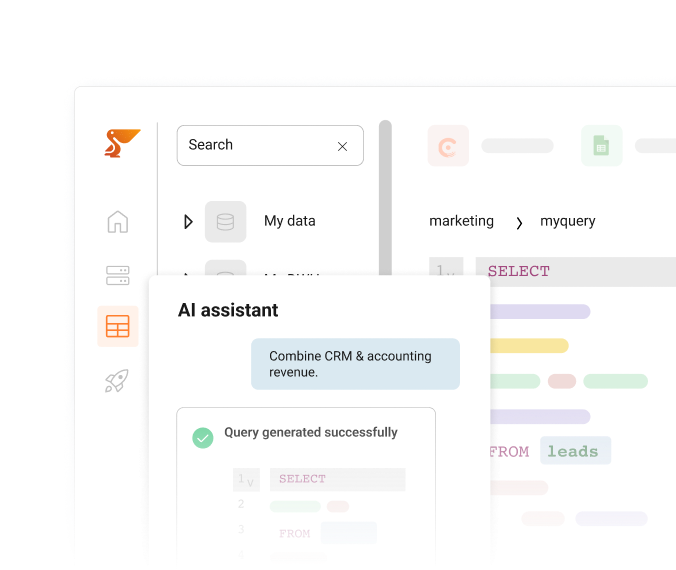
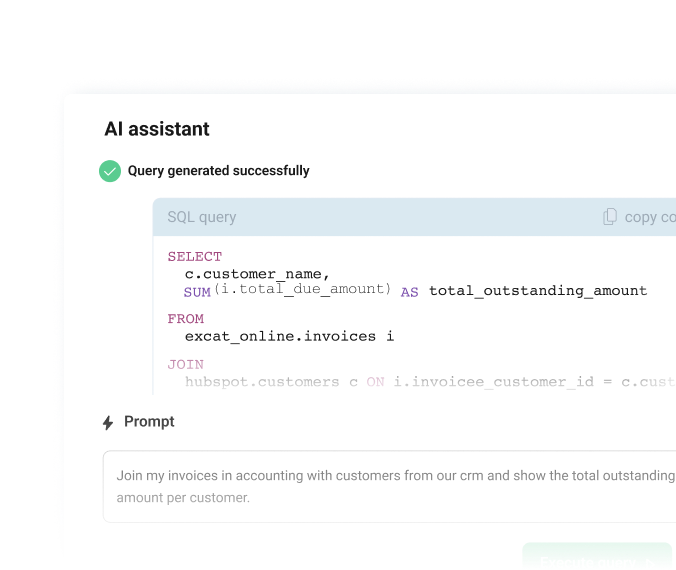
Ask plain-English questions about your Qdrant data and get runnable SQL back. Write complex queries with AI assistance, or let the assistant write them for you.

RAG & AI Agents

RAG & AI Agents

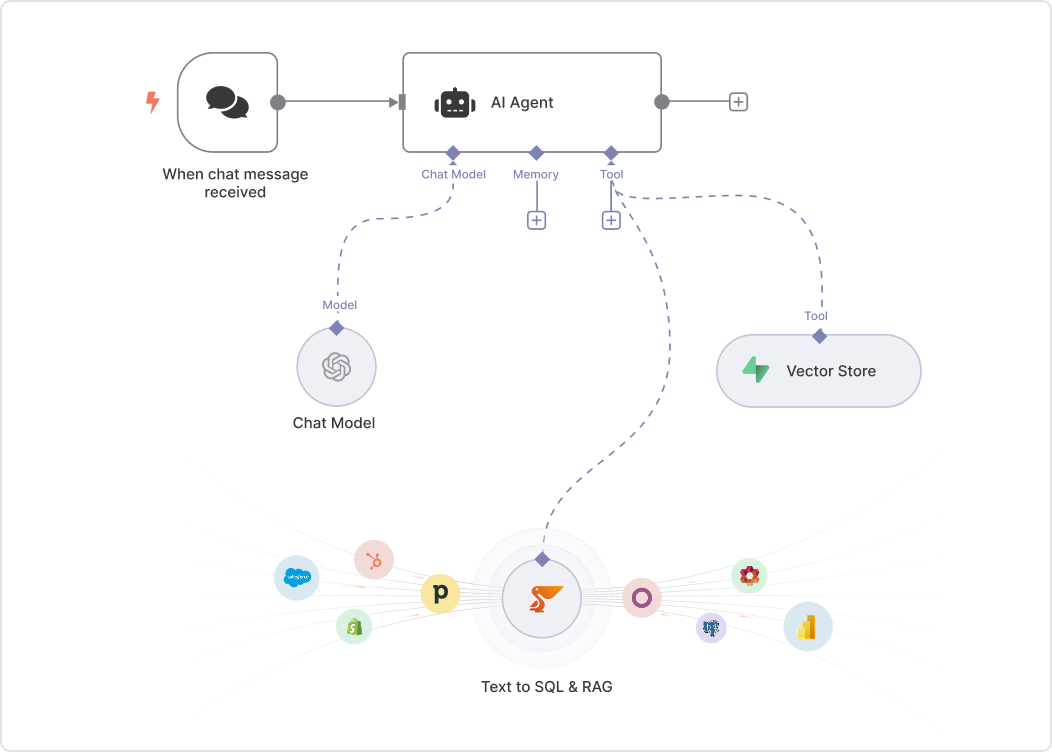
Use Retrieval-Augmented Generation for knowledge lookups and text-to-SQL for analytics. Deploy AI agents that answer questions, produce SQL, or trigger actions in your apps.

Python Data Apps

Python Data Apps

Build interactive apps or run ML models on your Qdrant data before syncing into Metabase. Ideal for predictive metrics, churn scores, or anomaly detection in BI.

Data Sync & Activation

Data Sync & Activation

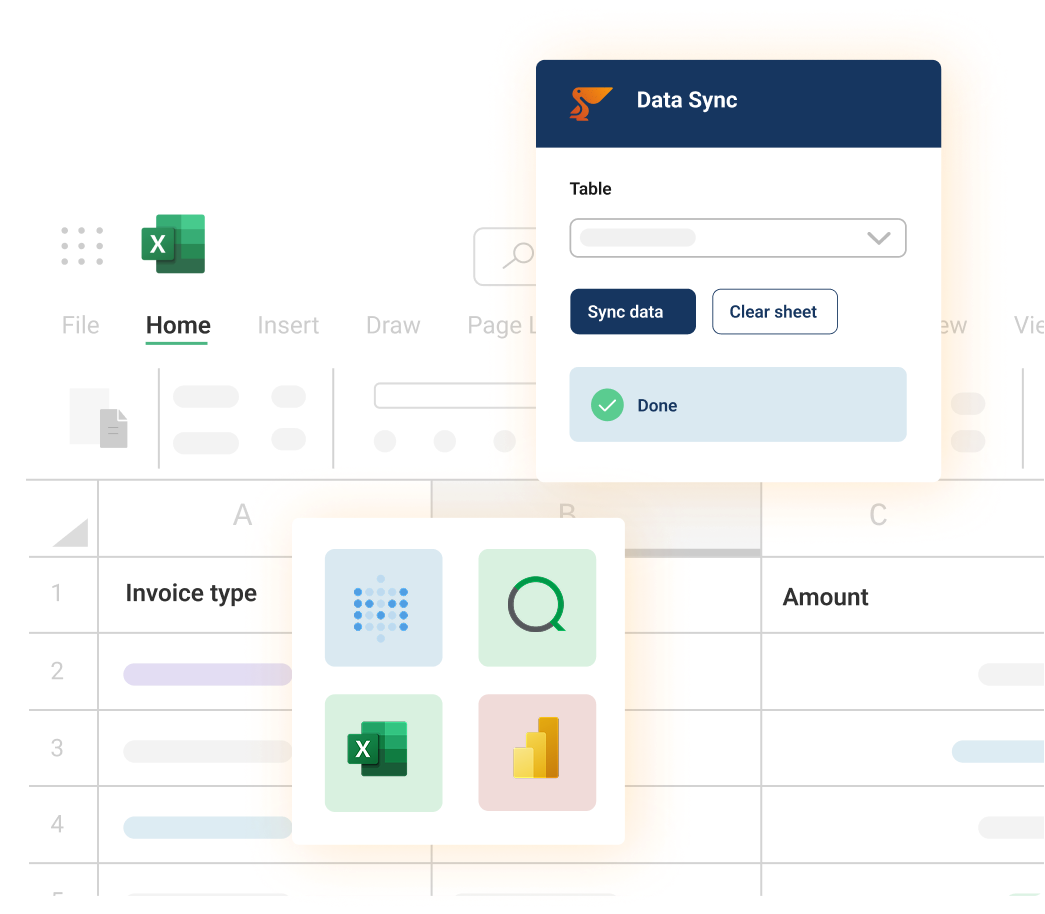
Push processed insights from Metabase dashboards back into Qdrant with writeback, or sync results to any other business app with a few lines of Python.

How to Connect Qdrant and Metabase

Five steps, about 5 minutes, no pipeline code.

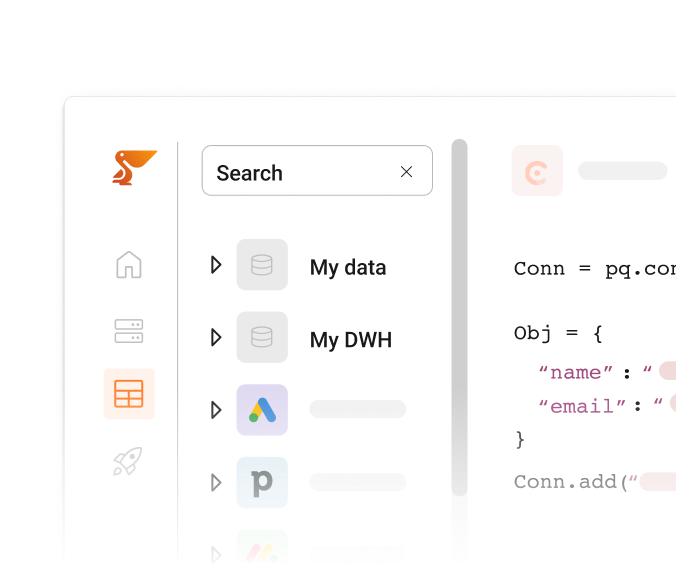
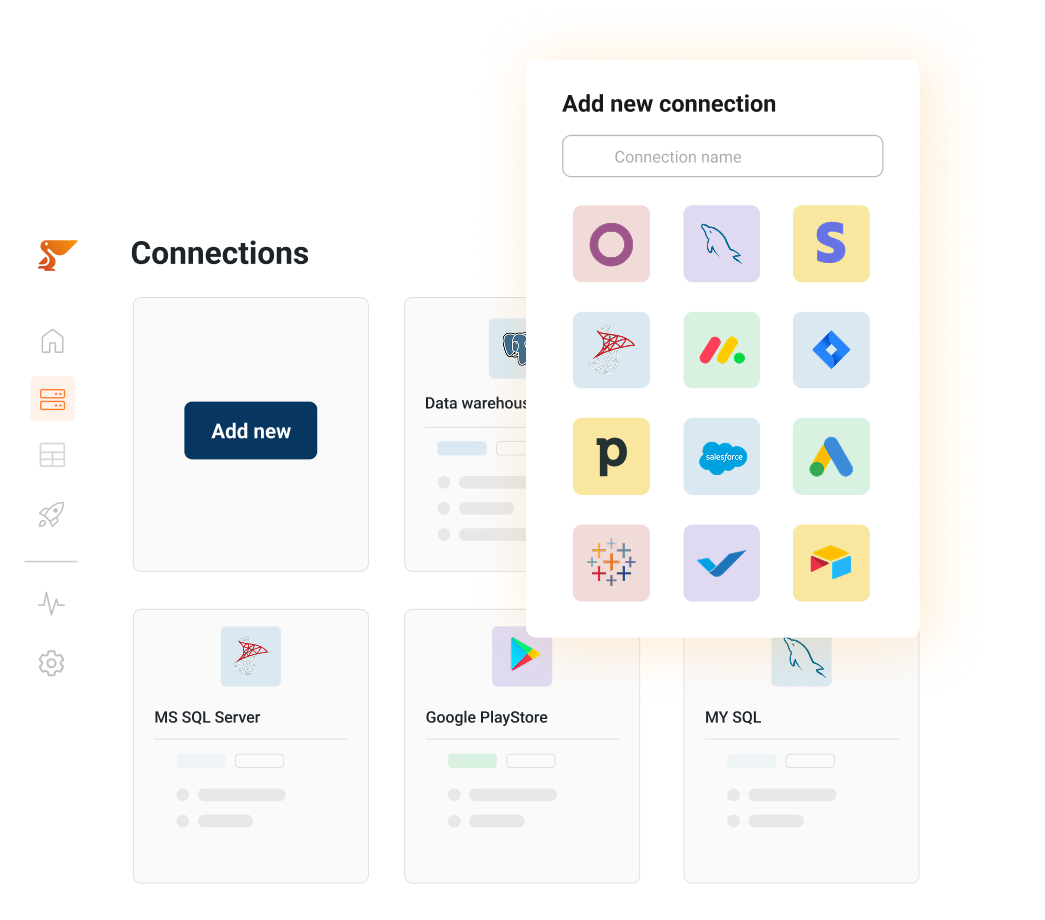
1. Connect in 30 Seconds

Authenticate your source (Qdrant)
via OAuth or API key – no complex setup.

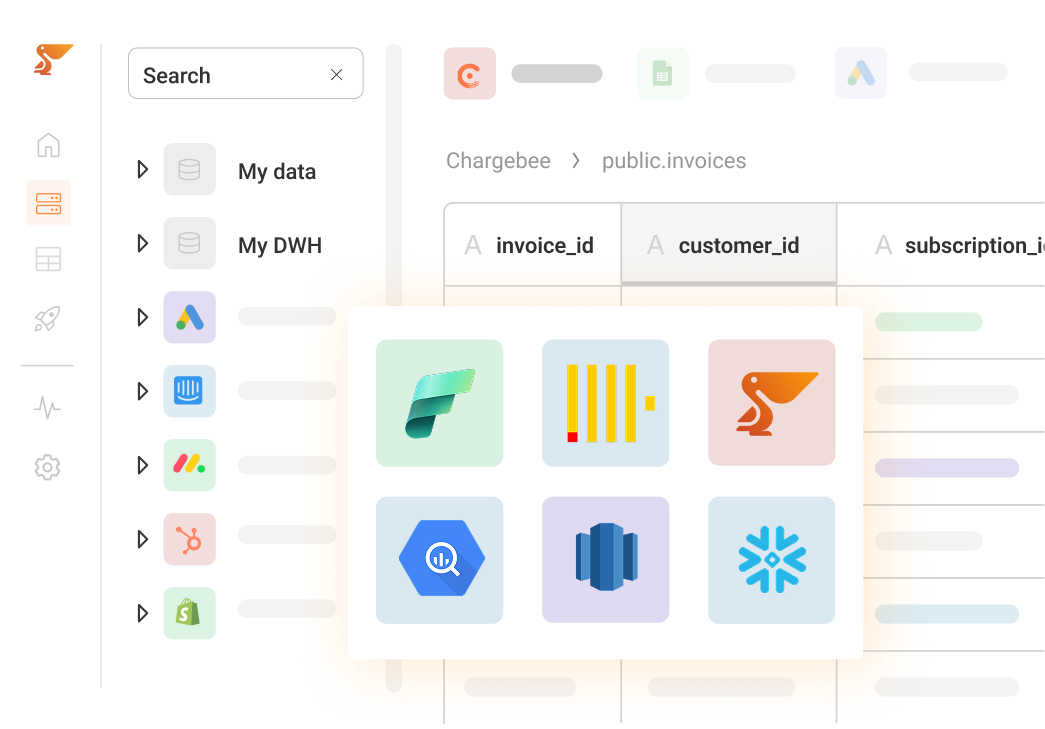
Your data appears in the Peliqan data warehouse with automatic schema detection and optimization for analytics.

Or bring your own data warehouse (Snowflake, Redshift, Bigquery, Clickhouse, Fabric).

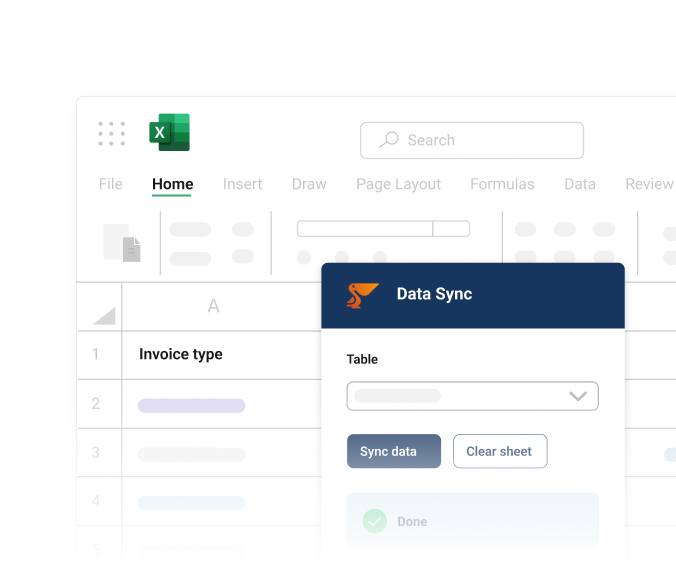
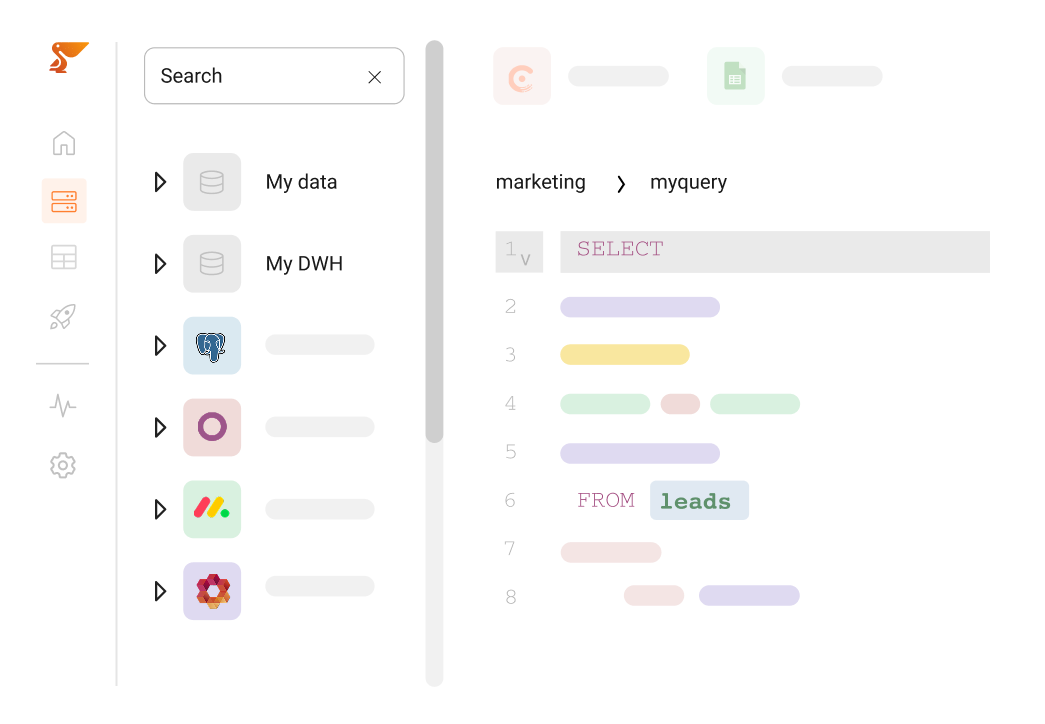
Use SQL, natural language queries, or the Peliqan data explorer and analyze your unified data.

Connect your favorite BI tool to the Peliqan data warehouse, build Python apps, and sync insights back to your business applications.

Turn on AI Agents (RAG and text-to-SQL) to answer business queries, generate SQL, or trigger downstream actions (e.g., create a CRM task).

Connect in 30 Seconds

Data Flows Automatically

Query & Analyze

Activate Insights

Beyond Simple Sync

A cloud data platform designed for the systems and workflows modern data and business teams use every day.

Cross-Database Queries

Join Qdrant with other sources using SQL, without complex ETL. Use federated queries to combine data in real time across databases.

Automated Data Transformations

Clean, transform, and enrich your Qdrant data with SQL or Python during the sync process. No separate ETL tools needed.

Extensive Connectivity

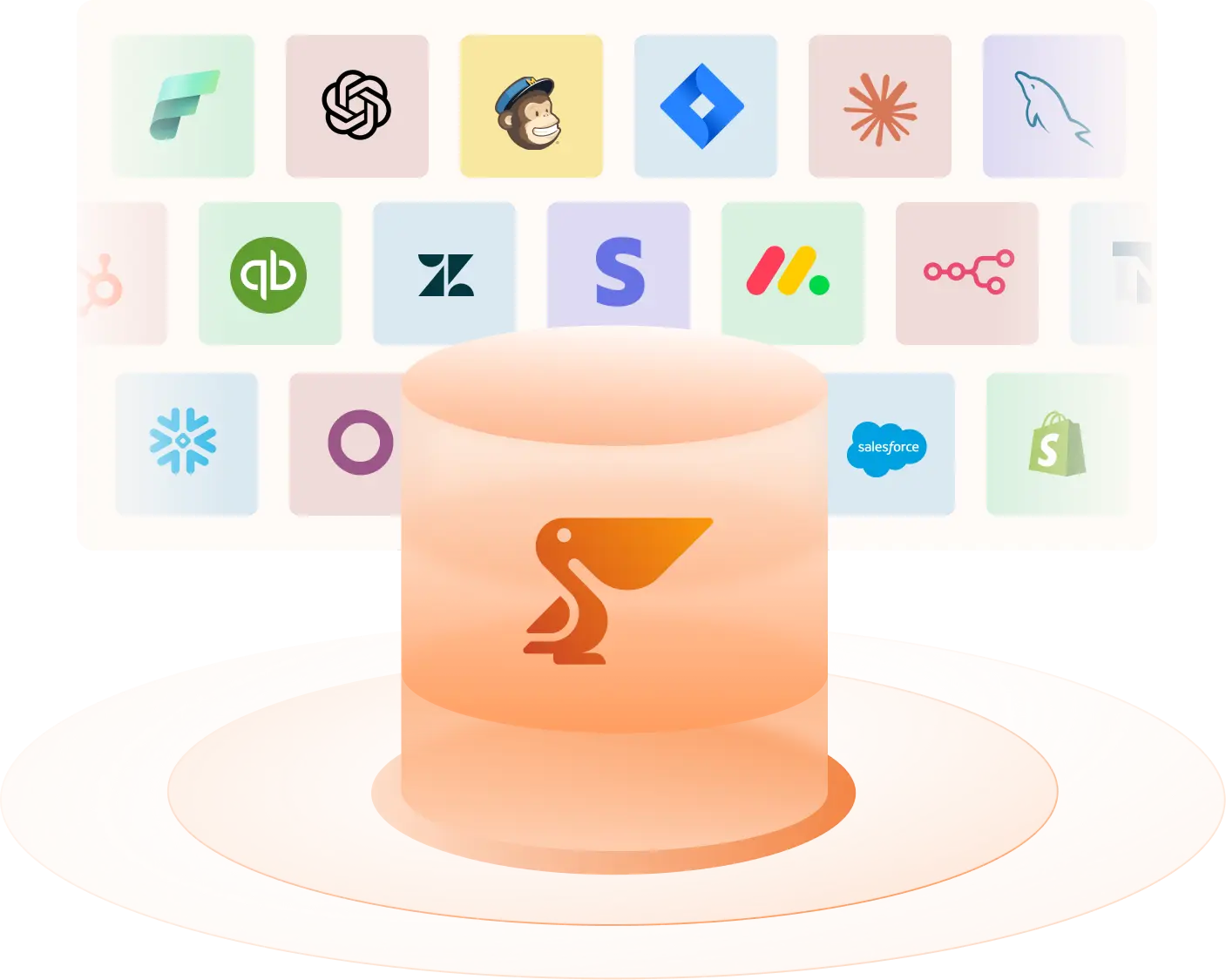
Connect to 300+ sources and business applications: from CRM to ERP, accounting and HRM/ATS. New connector delivery within 2 weeks.

Enterprise Security & Compliance

Security is our top priority. SOC 2 Type II certified, ISO 27001, GDPR compliant, with access controls and audit logging built in.

Historical Data & Time Travel

Set up history tables for Qdrant with SCD Type 2 tracking. Analyze trends and build point-in-time reports in Metabase.

Developer Platform

REST APIs, Python SDK, webhook support, and a custom connector framework for advanced use cases.

What Peliqan syncs from Qdrant

Peliqan loads your Qdrant data into a warehouse that Metabase connects to directly, so your reports run on current data instead of manual exports.

DatabasesTablesCollectionsQueriesMetricsSegmentsDashboards
Sync frequencyFrom every 15 minutes
MethodIncremental, new and changed records

See all Metabase tables and columns →

Technical Specifications

Peliqan provides a high-performance ELT engine optimized for modern cloud data warehouses.

Load, transform and orchestrate data reliably with warehouse-native speed and security.

Supported Data Types

Supported Data Types

Performance & scale

Performance & scale

Security features

Security features

SaaS Data Cockpit

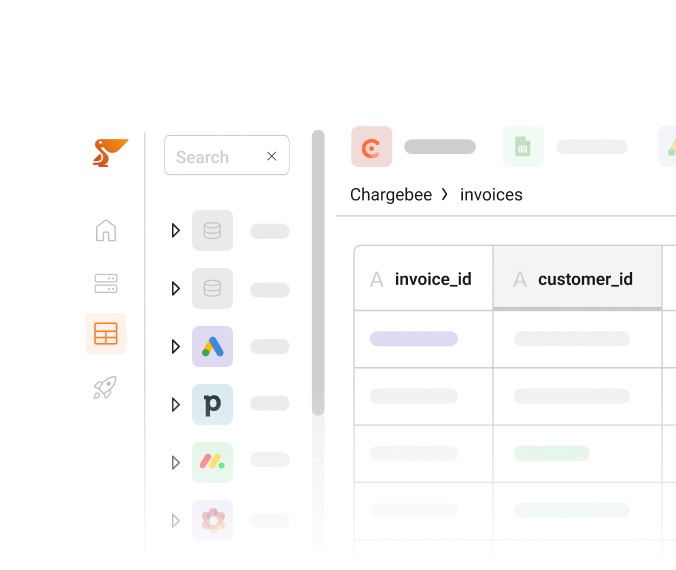
Connect your apps, then work with the data in a spreadsheet, in SQL, or in plain English. No pipelines to maintain.

Built with enterprise-grade security and compliance.

SOC 2 Type II
GDPR-compliant
HIPAA compliant
ISO 27001

G2 Badges 2026

Frequently asked questions

Connect Qdrant in Peliqan via OAuth or API key. Your data syncs into the built-in data warehouse, and you connect Metabase to that warehouse with standard database credentials. The full setup takes around 5 minutes, no coding required.

Yes, you can connect multiple instances of Qdrant and unify the data, or you can customize field mappings for each connection.

You control the sync frequency: as often as every 15 minutes on the Pro plan, or hourly, daily and custom schedules. Some source systems set their own limits – Exact Online, for example, defaults to every 6 hours.

Yes. Transform data with SQL or low-code Python before or after it lands in the warehouse. You can clean fields, join across sources and reshape tables without touching the source system.

Peliqan handles enterprise-scale data volumes. Our distributed architecture processes millions of records efficiently with automatic scaling based on your needs.

Our team builds custom connectors, typically within 2 weeks. You can also build your own pipelines with low-code Python.

Ready to see all your Qdrant data in Metabase?

Connect Qdrant to Metabase in minutes, and build the reports and dashboards your team actually needs.