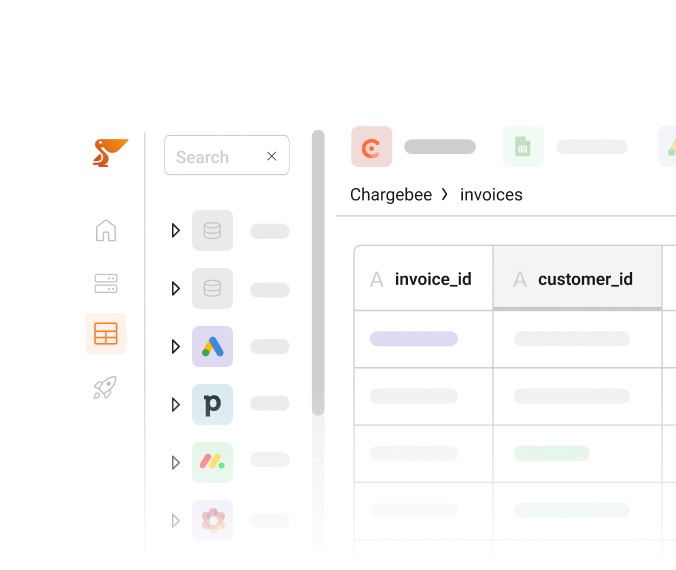


Easily sync data from Apicbase to Azure blob storage, explore your data with the rich Data Explorer and transform your Apicbase data with SQL.
Apicbase is a hospitality platform covering reservations, guest data, revenue or property operations. Native reports work well per property, but multi-property and cross-source analysis needs a warehouse. Peliqan provides a managed Apicbase connector that syncs hospitality data into your warehouse for occupancy, RevPAR and guest analytics across locations.
Azure blob storage is Microsoft's object storage service, commonly used as a data lake landing zone and as the storage layer beneath Fabric and Synapse. Files in it are not queryable on their own until a warehouse or query engine reads them. Peliqan writes business application data into Azure blob storage as analytics-ready files on a schedule, handling incremental extracts and schema changes.
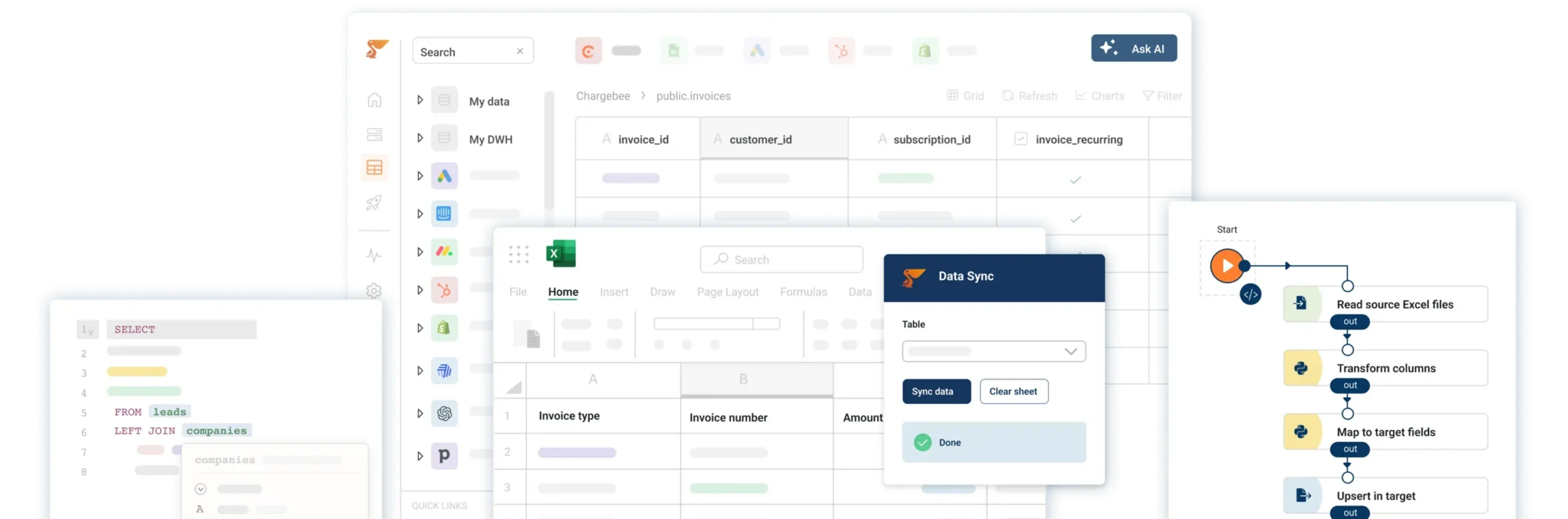
Peliqan brings ETL pipelines, data transformations and reverse ETL together in one integrated platform. Connect your favorite BI tool and activate your data with SQL and low-code Python.
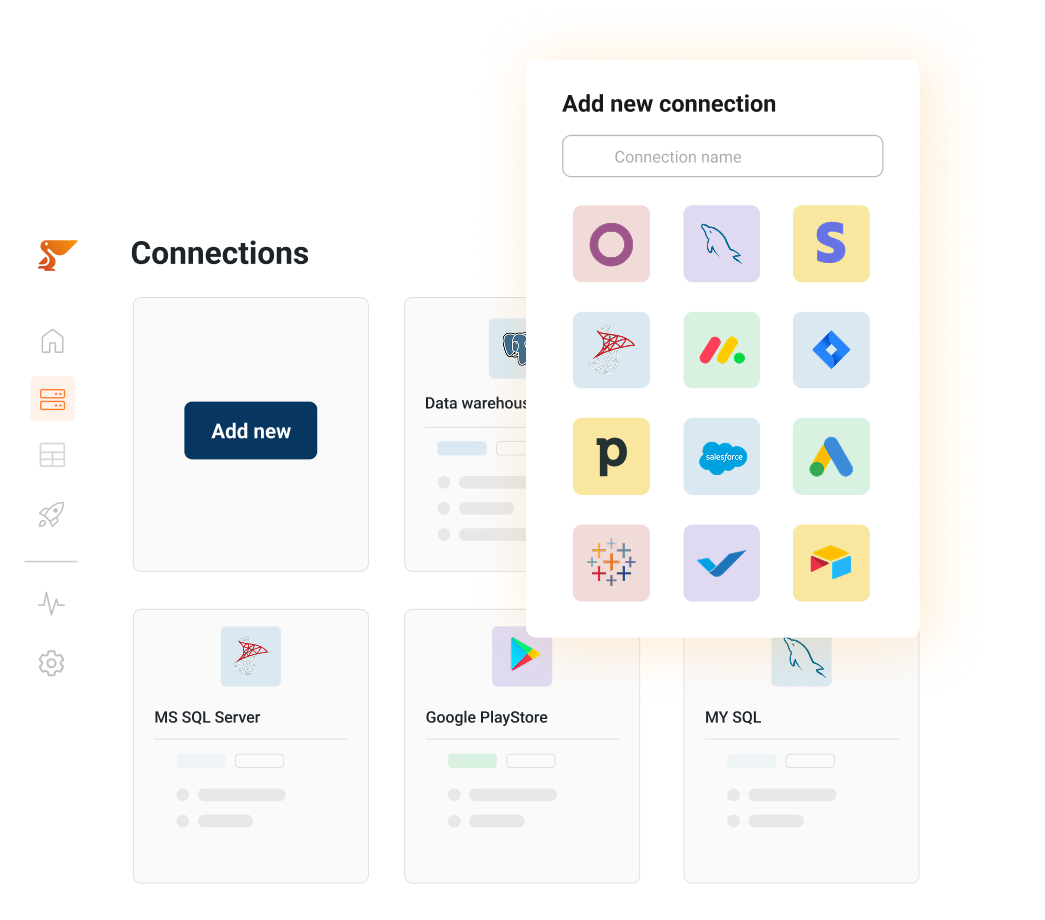
Sync Apicbase data into Azure blob storage in a few clicks. Want another target? Point the same pipeline at Peliqan’s built-in warehouse or any database you run.
Set up a production-ready ELT pipeline in just minutes. Apicbase data lands in Azure blob storage with schema detection, incremental syncs from every 15 minutes.
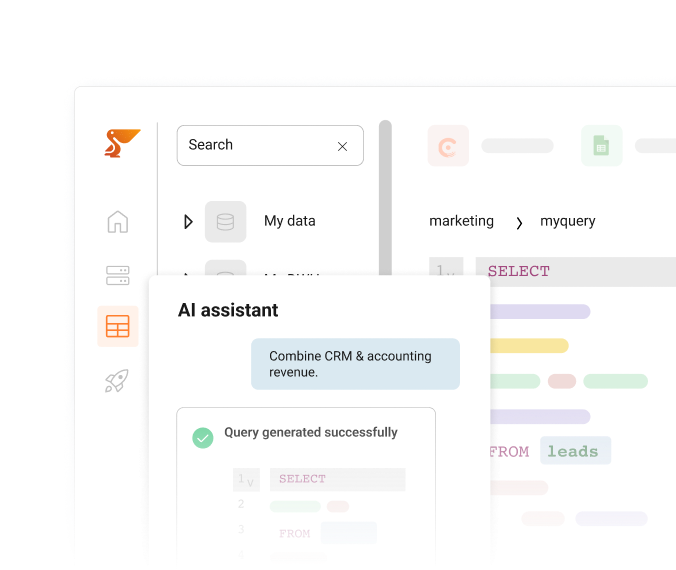
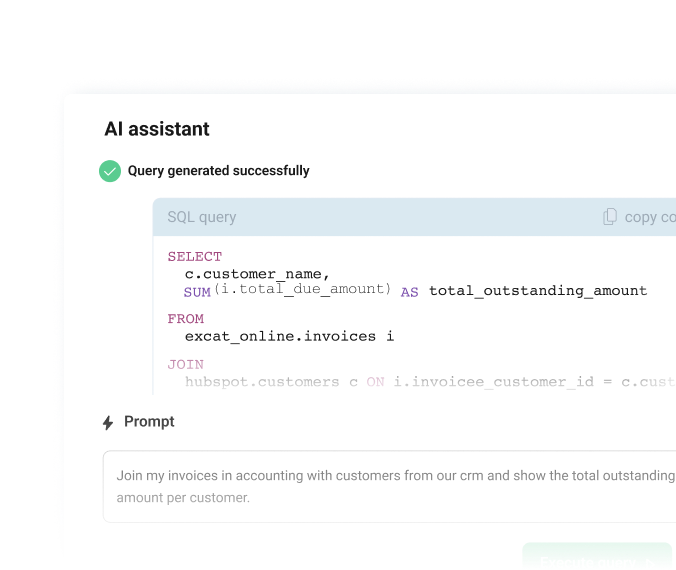
Transform Apicbase data in Azure blob storage using SQL or low-code Python. Describe the logic in plain English, let AI draft it, then clean, validate and enrich.
Combine Apicbase with any of Peliqan’s 300+ connectors inside Azure blob storage. Build unified data sets for analytics, reporting and AI in one place, not five tools.
Write your own Python or SQL when you need control. Schedule scripts, enforce business rules and publish Streamlit data apps on Apicbase data in Azure blob storage.
Push enriched Azure blob storage data back into the apps your teams use, then run the whole flow on a schedule with built-in orchestration, dependencies and alerts.
Authenticate your source (Apicbase)
via OAuth or API key – no complex setup.
Your data appears in the Peliqan data warehouse with automatic schema detection and optimization for analytics.
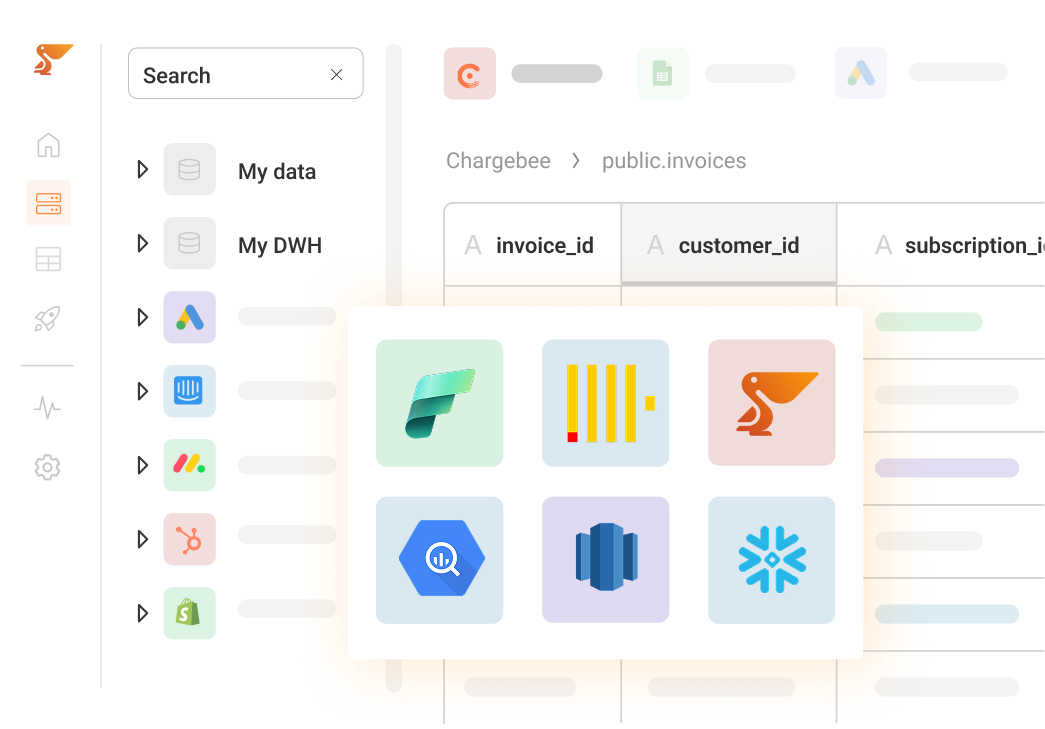
Or bring your own data warehouse (Snowflake, Redshift, Bigquery, Clickhouse, Fabric).
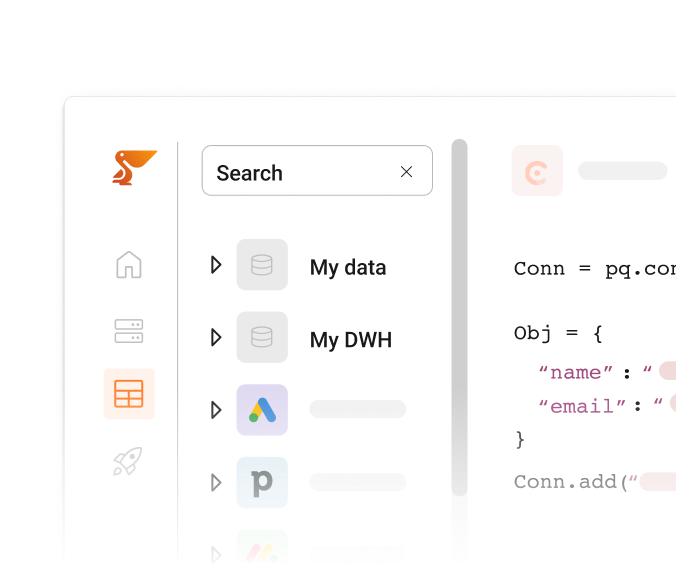
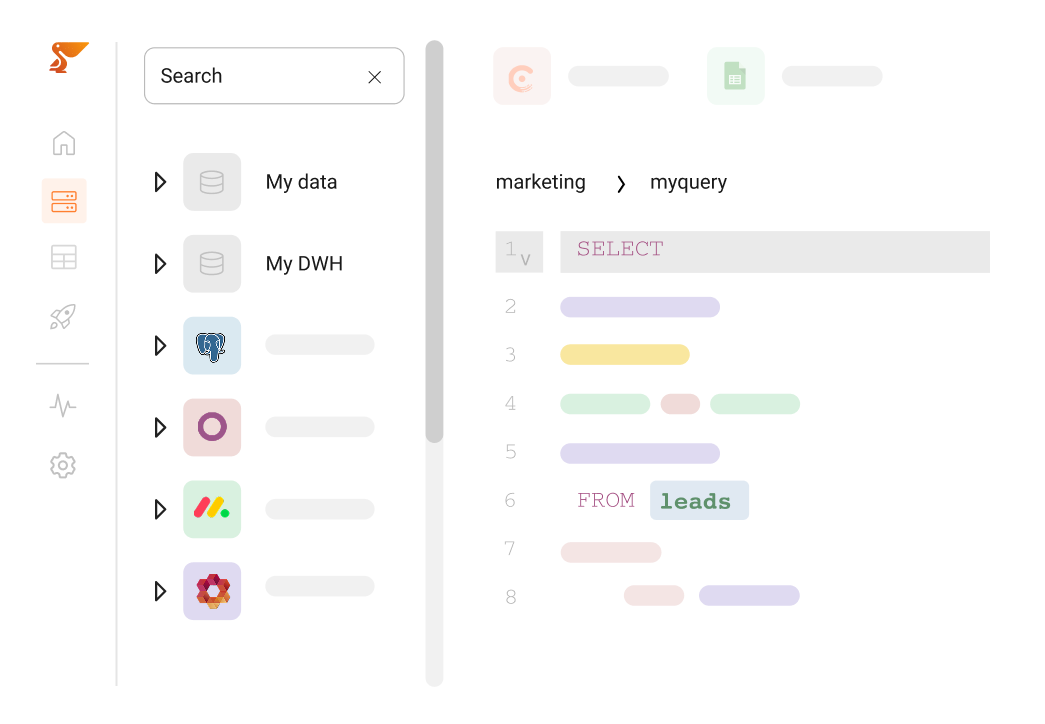
Use SQL, natural language queries, or the Peliqan data explorer and analyze your unified data.
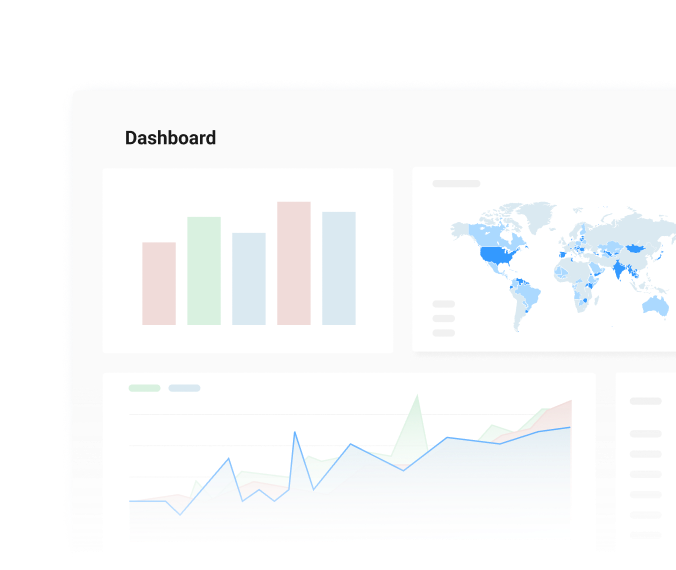
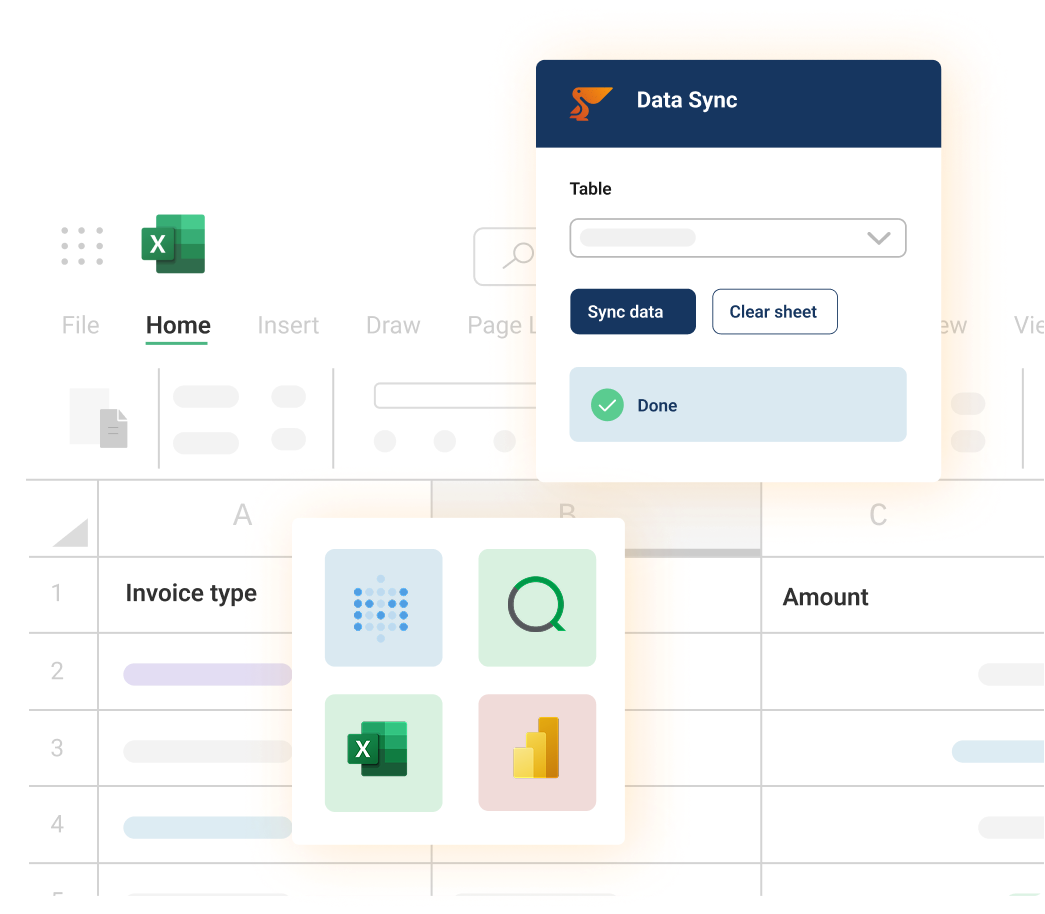
Connect your favorite BI tool to the Peliqan data warehouse, build Python apps, and sync insights back to your business applications.
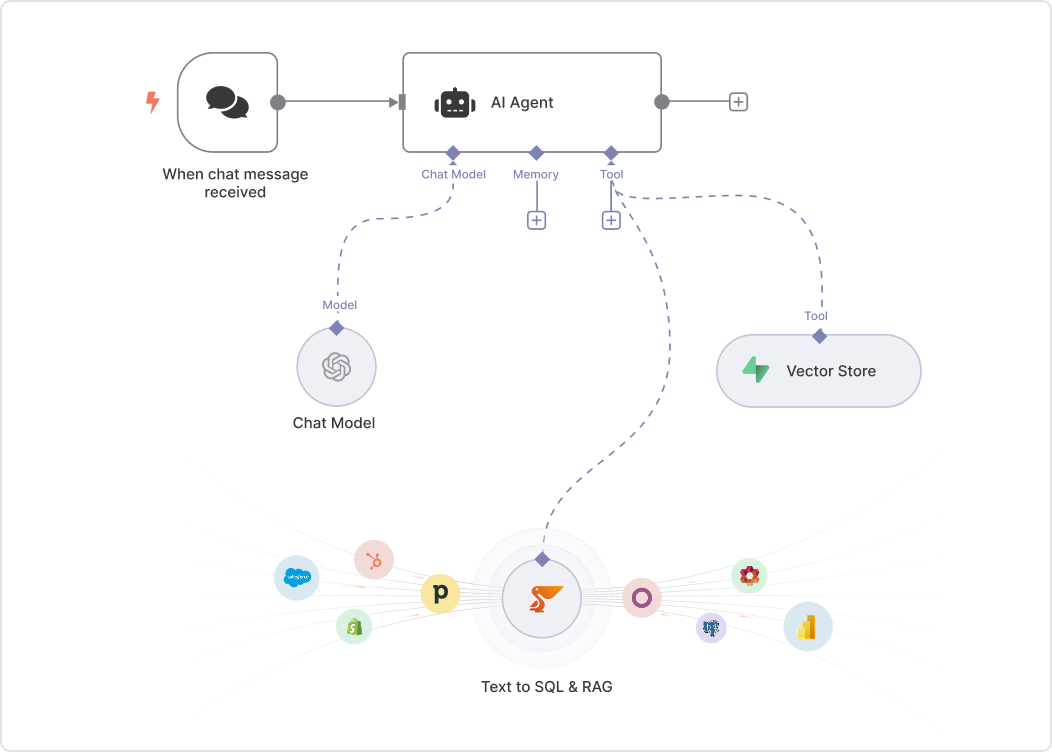
Turn on AI Agents (RAG and text-to-SQL) to answer business queries, generate SQL, or trigger downstream actions (e.g., create a CRM task).
A cloud data platform designed for the systems and workflows modern data and business teams use every day.
Efficiently sync only new & changed records from Apicbase to Azure blob storage using incremental loading strategies.
Automatically handle schema changes in Apicbase – new fields, renamed columns, and type changes are detected and propagated to Azure blob storage.
Built-in data quality checks ensure clean data in Azure blob storage. Set validation rules, detect anomalies, and get alerts for data quality issues.
Schedule complex workflows, dependencies, and multi-step pipelines. Use built-in orchestration capabilities.
Loads are tuned to Azure blob storage using its native bulk-load path for optimal query performance.
REST APIs, Python SDK and a custom connector framework for advanced data engineering workflows.
Peliqan loads your Apicbase data into Azure blob storage as analytics-ready tables you can query with SQL. Schema changes are handled automatically.
Peliqan provides a high-performance ELT engine optimized for modern cloud data warehouses.
Load, transform and orchestrate data reliably with warehouse-native speed and security.
Send data out
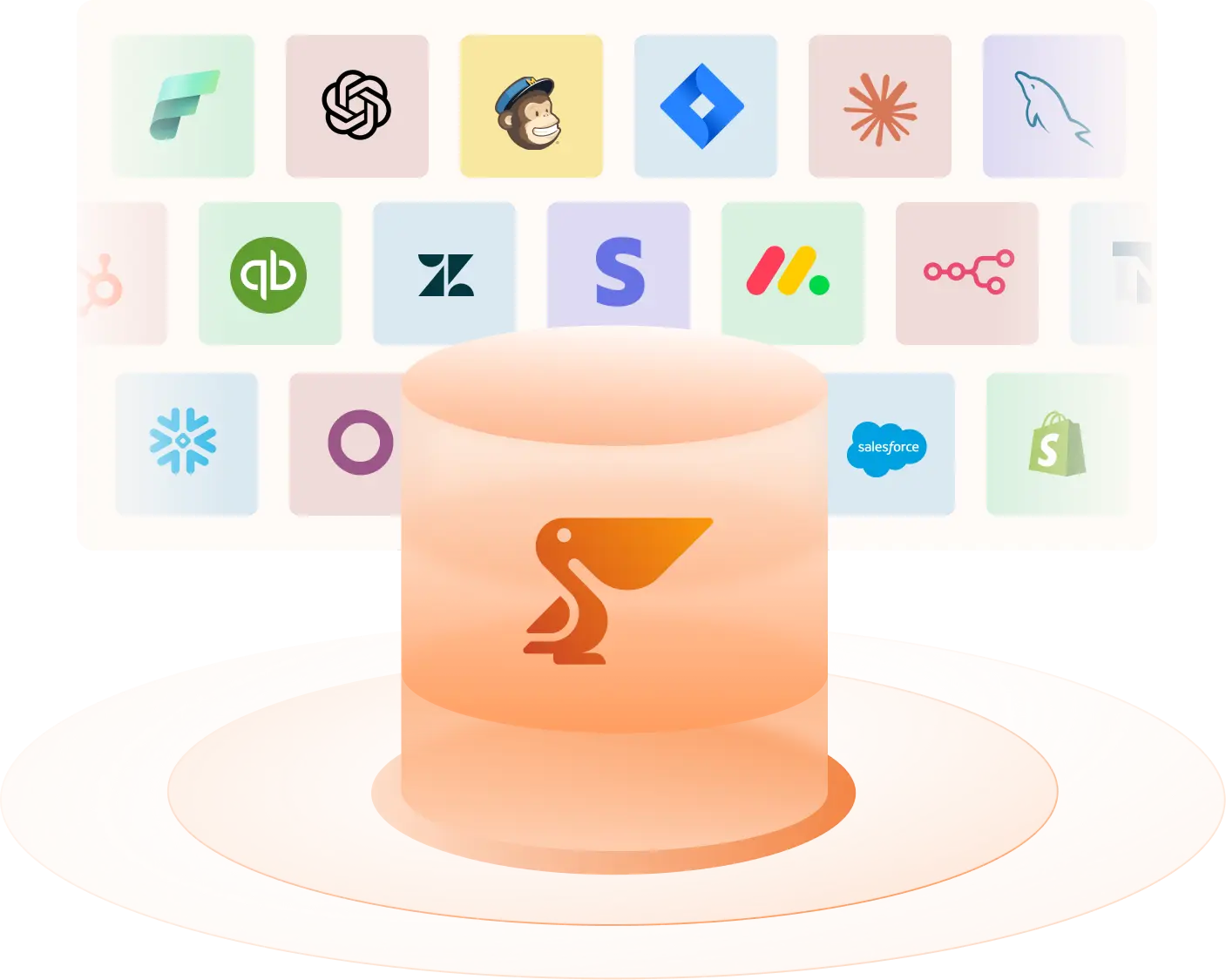
Sync your Apicbase data into these databases and warehouses.

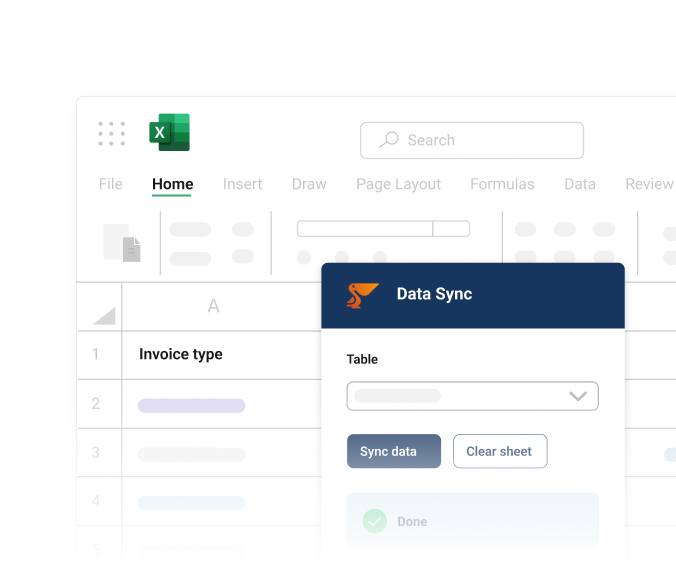
Connect your apps, then work with the data in a spreadsheet, in SQL, or in plain English. No pipelines to maintain.
Yes, you can connect multiple instances of Apicbase and unify the data, or you can customize field mappings for each connection.
You control the sync frequency: as often as every 15 minutes on the Pro plan, or hourly, daily and custom schedules. Some source systems set their own limits – Exact Online, for example, defaults to every 6 hours.
Yes. Transform data with SQL or low-code Python before or after it lands in the warehouse. You can clean fields, join across sources and reshape tables without touching the source system.
Peliqan handles enterprise-scale data volumes. Our distributed architecture processes millions of records efficiently with automatic scaling based on your needs.
Our team builds custom connectors, typically within 2 weeks. You can also build your own pipelines with low-code Python.
Connect Apicbase to Azure blob storage in minutes, and build the reports and dashboards your team actually needs.