Peliqan

Activate your WeClapp data for BI & AI

Instantly connect WeClapp, use any BI tool. Combine magical SQL and low-code Python to integrate, automate and activate your data.

Weclapp logo
BI
Metabase
Excel
Tableau
Power BI
Qlik
AI
Claude
ChatGPT
n8n
MCP
Client

Copilot

WeClapp data, ready for analytics and AI

What this connector does, and why teams sync it to a warehouse

About this connector

What is Weclapp?


Weclapp is an ERP and accounting platform holding the source of truth for invoices, sales orders, and operational records across the business. Native reporting handles single-entity transactional views but multi-entity consolidation requires a warehouse. Peliqan provides a managed Weclapp connector that syncs accounts, transactions, and customers into your warehouse for consolidated financial reporting and finance + ops dashboards.

Why sync to a warehouse

Get more from Weclapp data


  • Consolidated financial reporting across multiple entities
  • Order-to-cash analytics and AR aging dashboards
  • Joining Weclapp with CRM and ecommerce for unified revenue views
  • Real-time inventory and supply chain reporting
  • Cash flow forecasting backed by live Weclapp data

From raw data to actionable insights in minutes

Peliqan brings ETL pipelines, data transformations and reverse ETL together in one integrated platform. Connect your favorite BI tool and activate your data with SQL and low-code Python.

Trusted by data-driven companies

Logo 1
Logo 2
Logo 3
Logo 4
Logo 4
Logo 4
Logo 4
Logo 4
Logo 4
Logo 4
Logo 4
Logo 4

AI

BI

Instant data warehouse for WeClapp

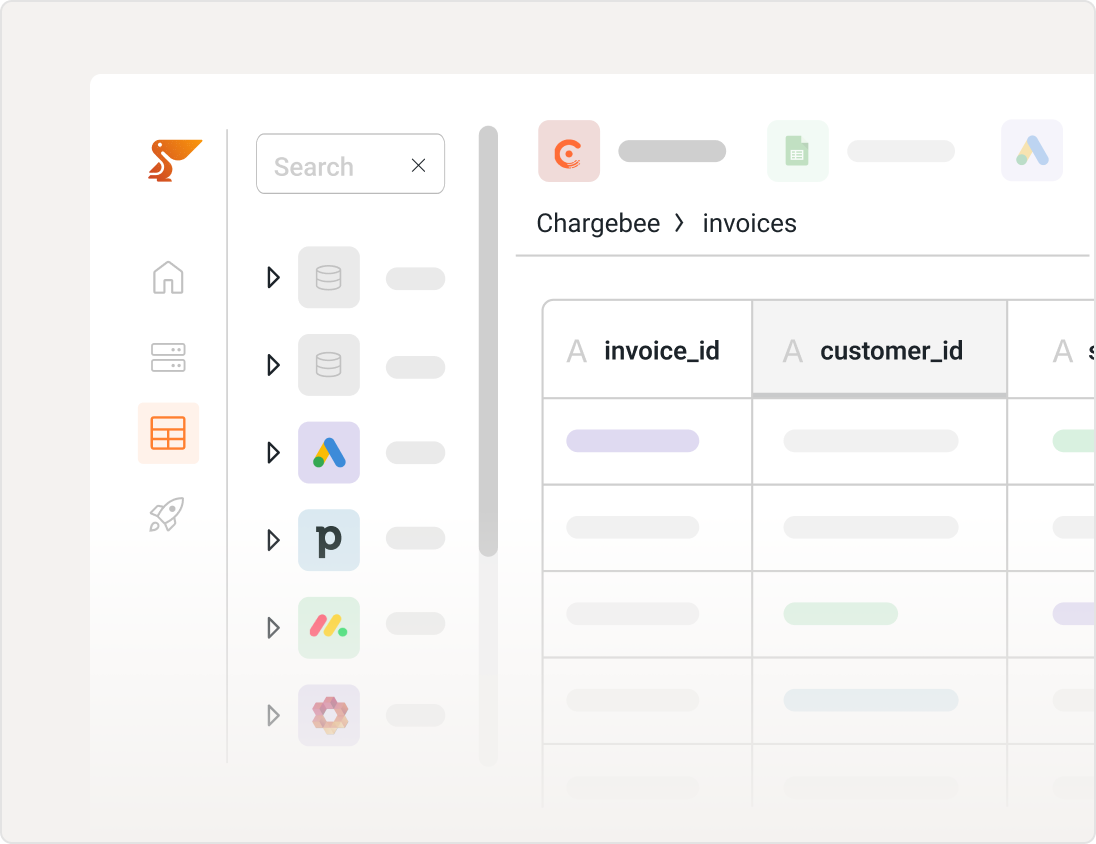
Sync WeClapp into a data warehouse with a few clicks, and start exploring your data in an easy spreadsheet. 

Use SQL on WeClapp to combine data, build custom reports and prepare data for your favorite BI tool such as Microsoft Power BI, Tableau, Qlik Sense, Looker or Metabase. ETL data pipelines are automatically created.

Peliqan Fav Icon
Peliqan DW

Snowflake data warehouse
Snowflake

redshift
Redshift

Clickhouse
Clickhouse

Instant data warehouse

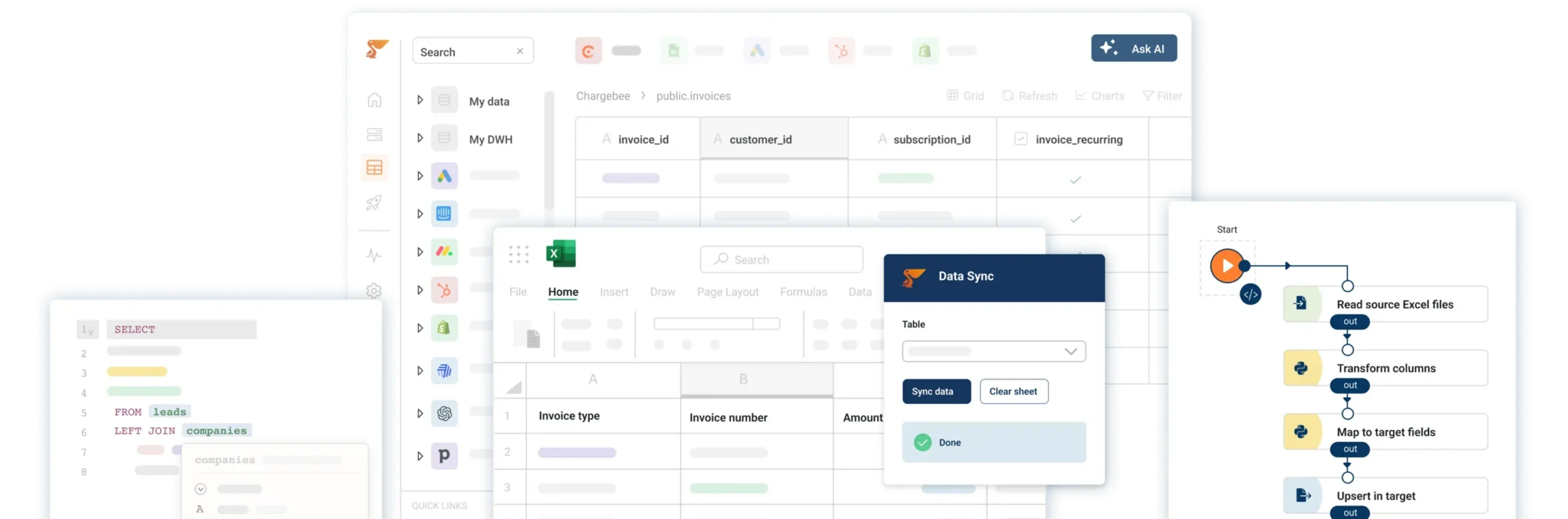
Spreadsheet UI and magical SQL for WeClapp

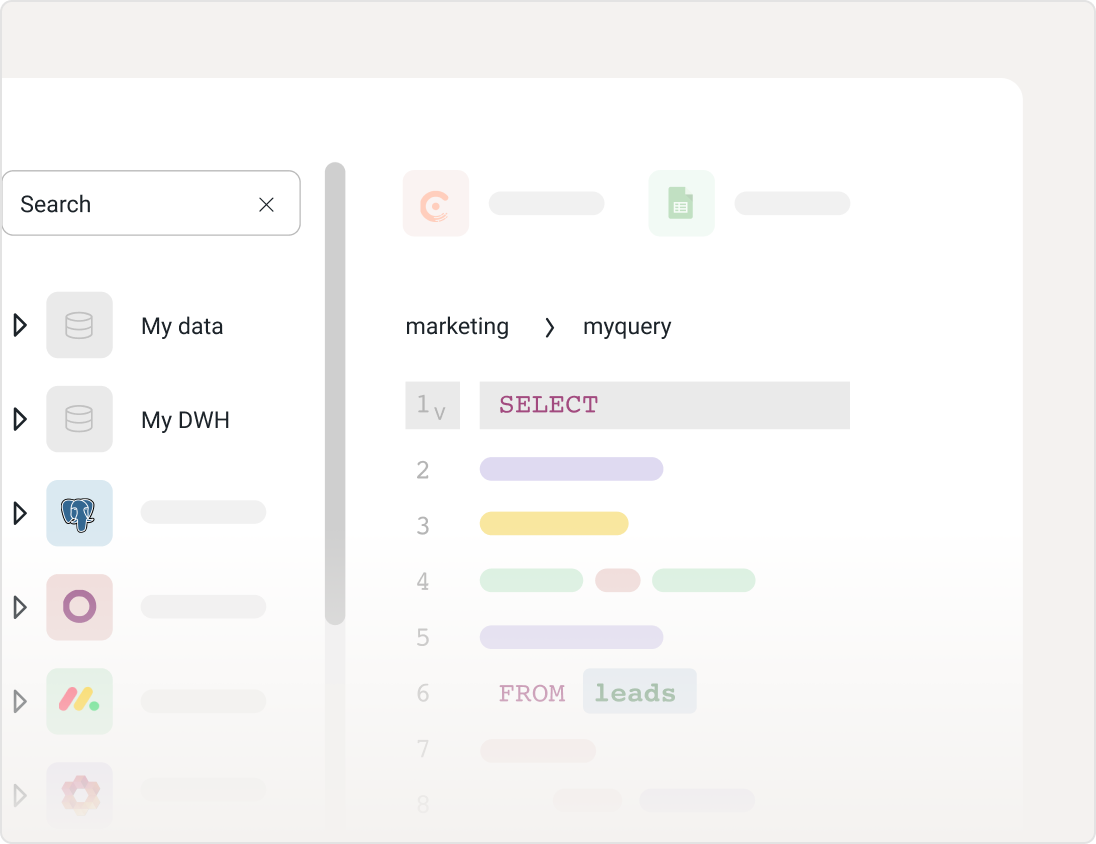
Explore data in a rich spreadsheet UI. Use Magical SQL to combine and transform data. SQL queries become new tables that can be shared with business users and used in any BI tool.

Use Peliqan’s built-in distributed query engine to combine data between sources, e.g. write JOIN queries between tables in the Peliqan DW and external databases.

Peliqan Fav Icon
Peliqan DW

MongoDB
MongoDB

postgres
Postgres

microsoft-sql-server
SQL Server

Spreadsheet UI

Visualize your WeClapp data

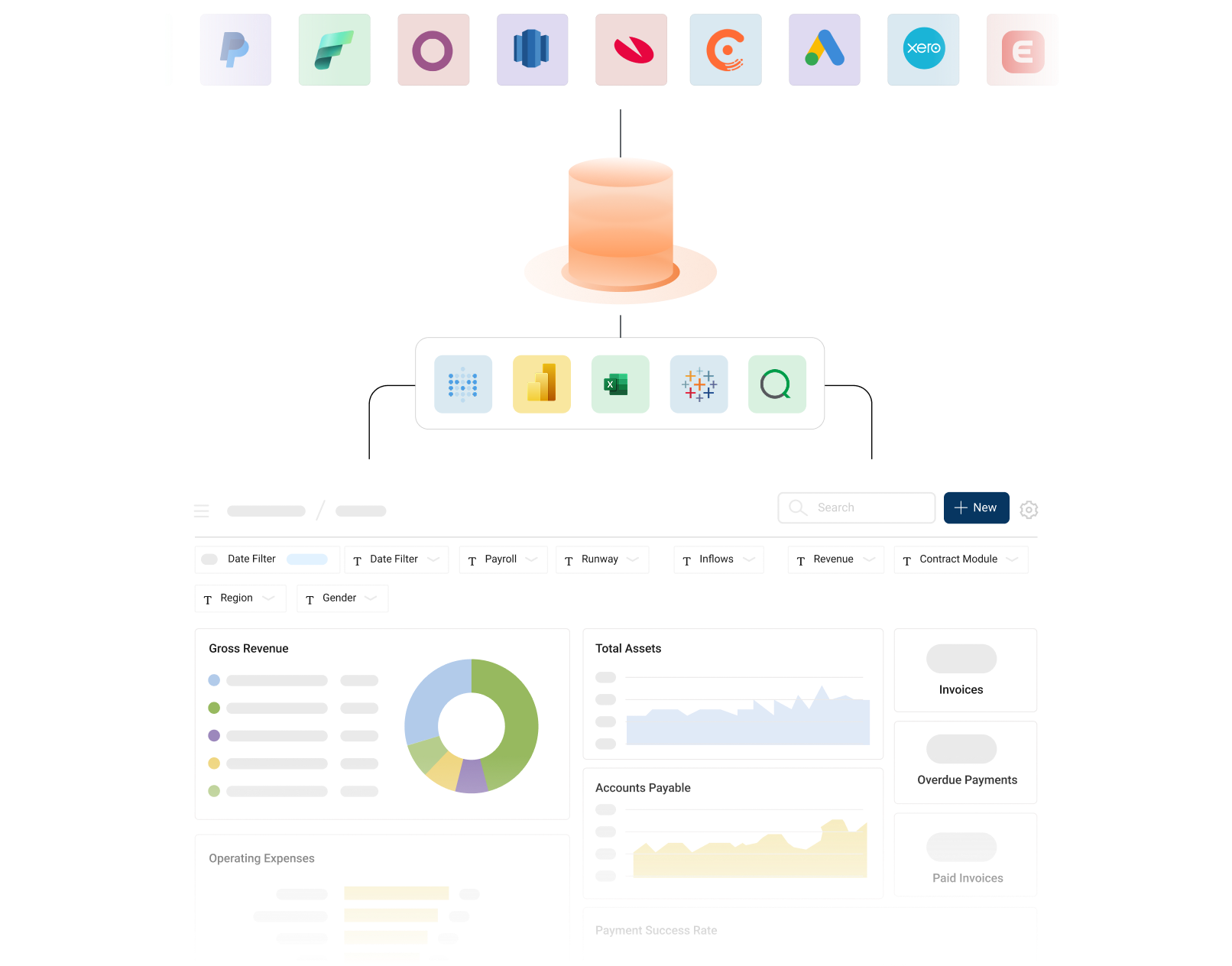
Use your preferred BI tool (Power BI, Tableau, Metabase etc.) to visualize your WeClapp data.

Deploy Metabase with a single click from the Peliqan Market Place and use WeClapp in Metabase.

Sync with Google Sheets for easy data analysis from any source.

Connect your data to Microsoft Power BI
Power BI

Sync data to Metabase
Metabase

Tableau

Superset
Superset

Visualize

SaaS Data Cockpit

Connect your apps, then work with the data in a spreadsheet, in SQL, or in plain English. No pipelines to maintain.

Do more with Peliqan

Authenticate your source (WeClapp) via OAuth or API key – no complex setup.

Build AI Agents on WeClapp

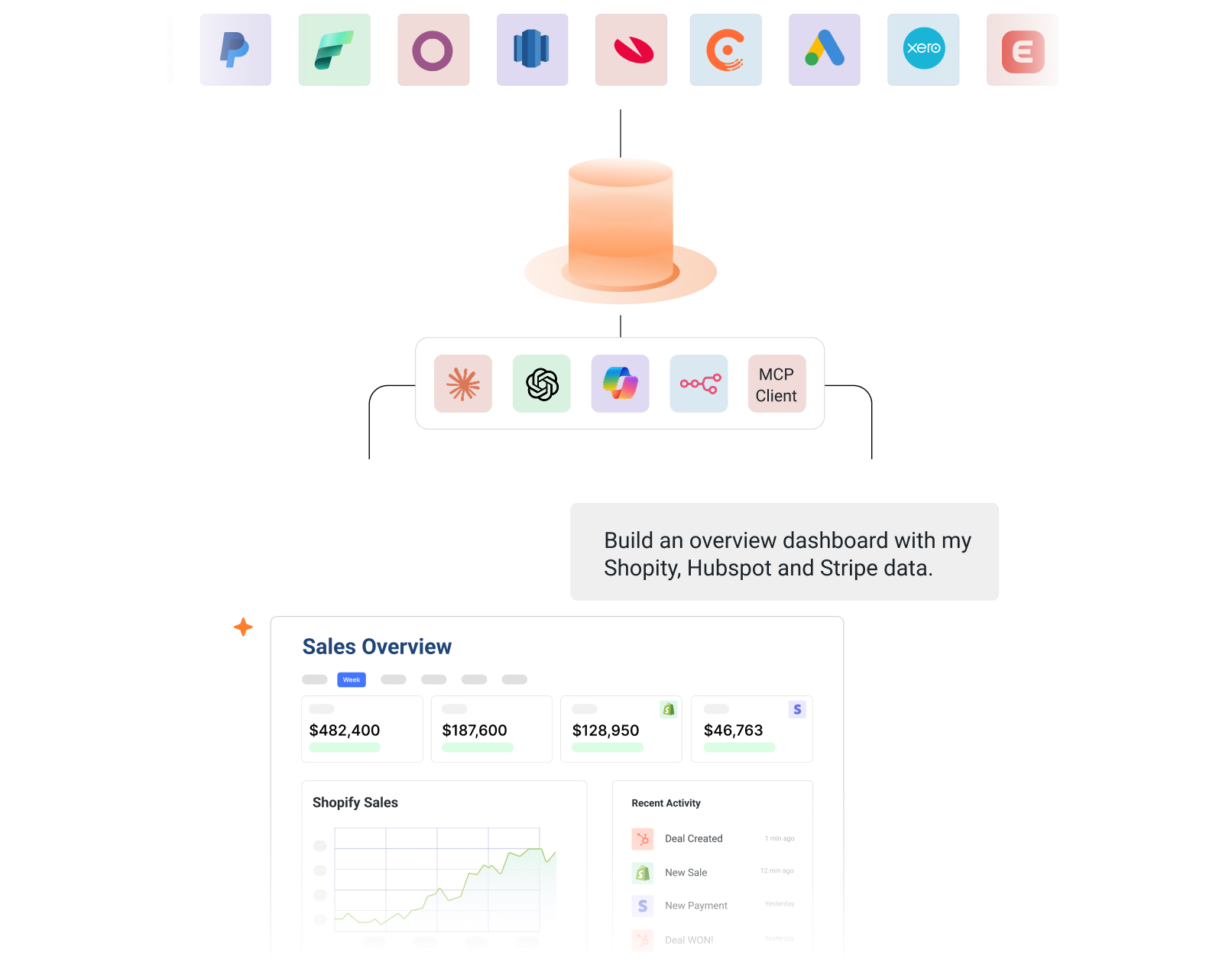
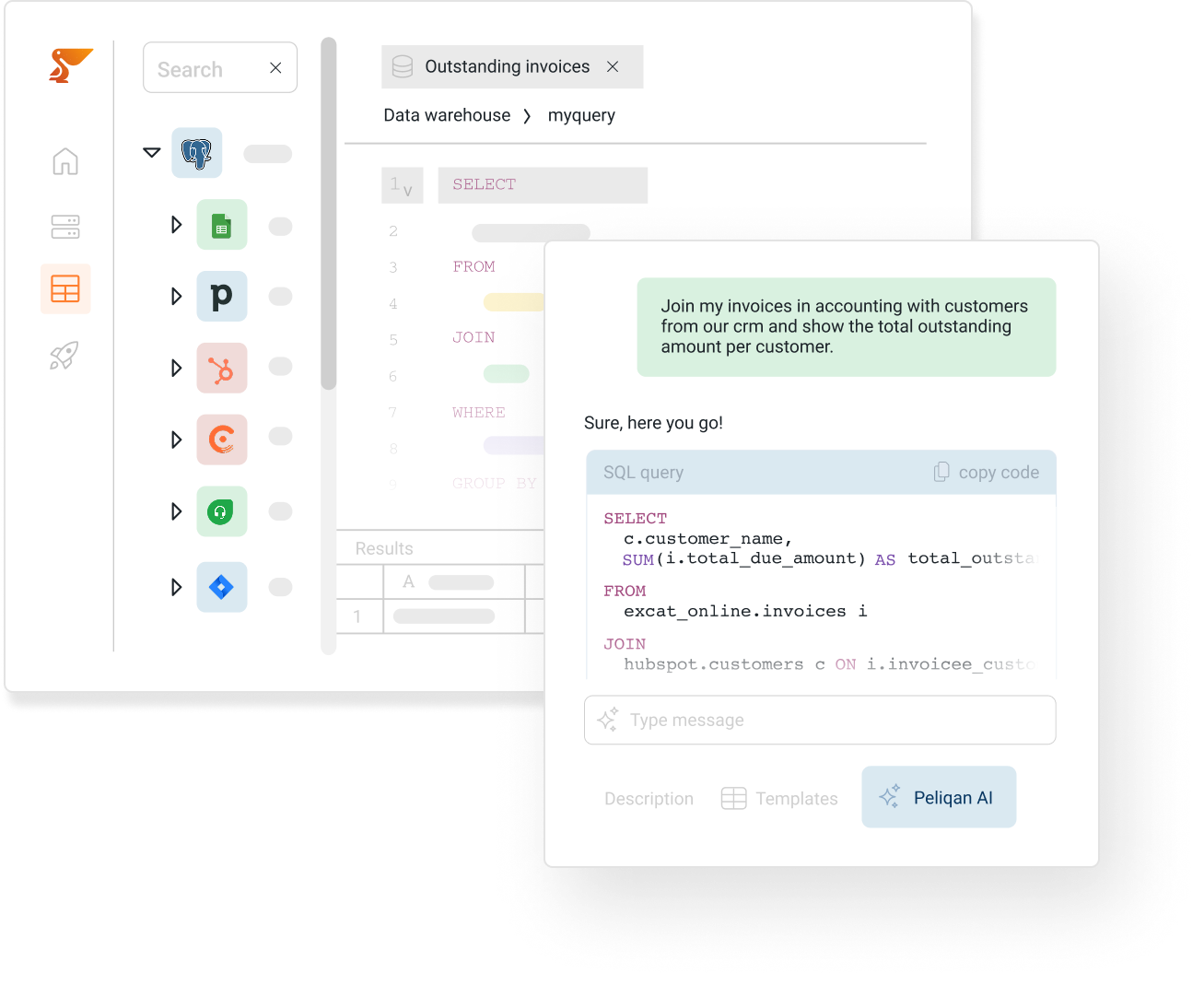
Build intelligent AI Agents on top of WeClapp, with Peliqan’s AI data foundation: WeClapp MCP Server, WeClapp in n8n AI Agents & Make, “Text to SQL” on WeClapp data, WeClapp RAG with out-of-the-box embeddings (vectors) and WeClapp Graph RAG.

More info

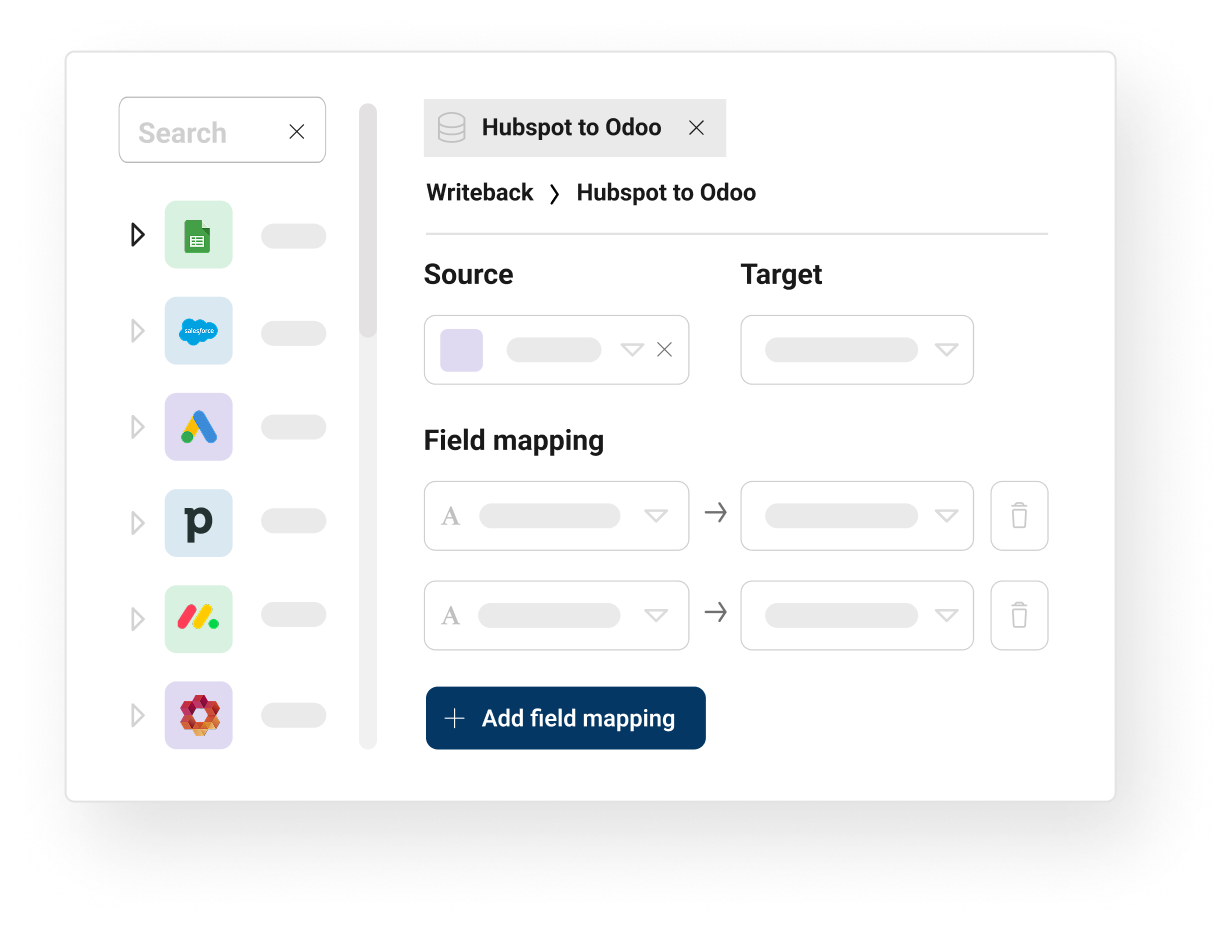
Export data from multiple SaaS applications and databases into WeClapp. Set up automated data syncs to keep your business applications in sync. Use Reverse ETL to sync WeClapp data to any business application.

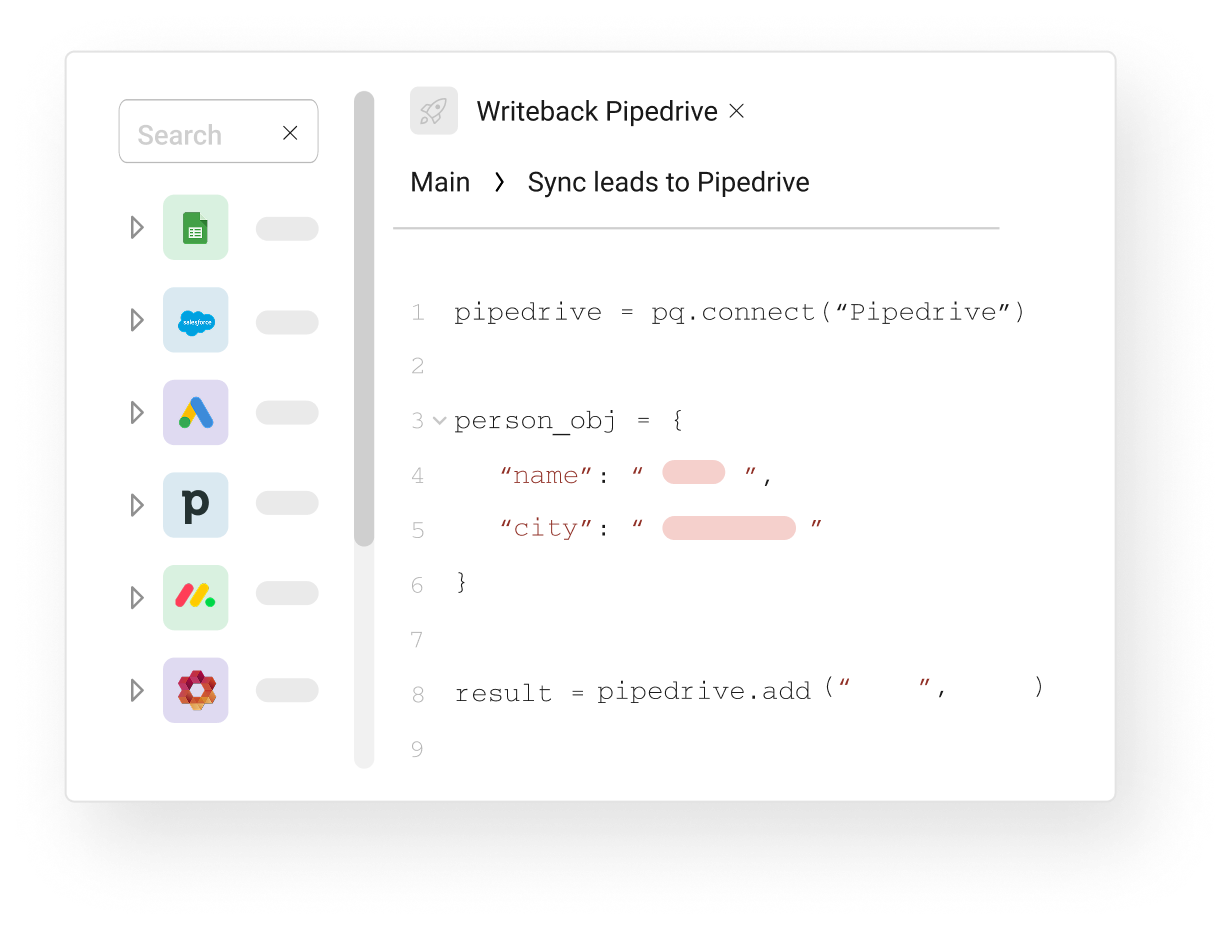
Developers can write, test, execute and schedule low-code Python scripts to work with their data. Implement reverse ETL with 3 lines of code. Run ML models, build interactive UIs, publish APIs.

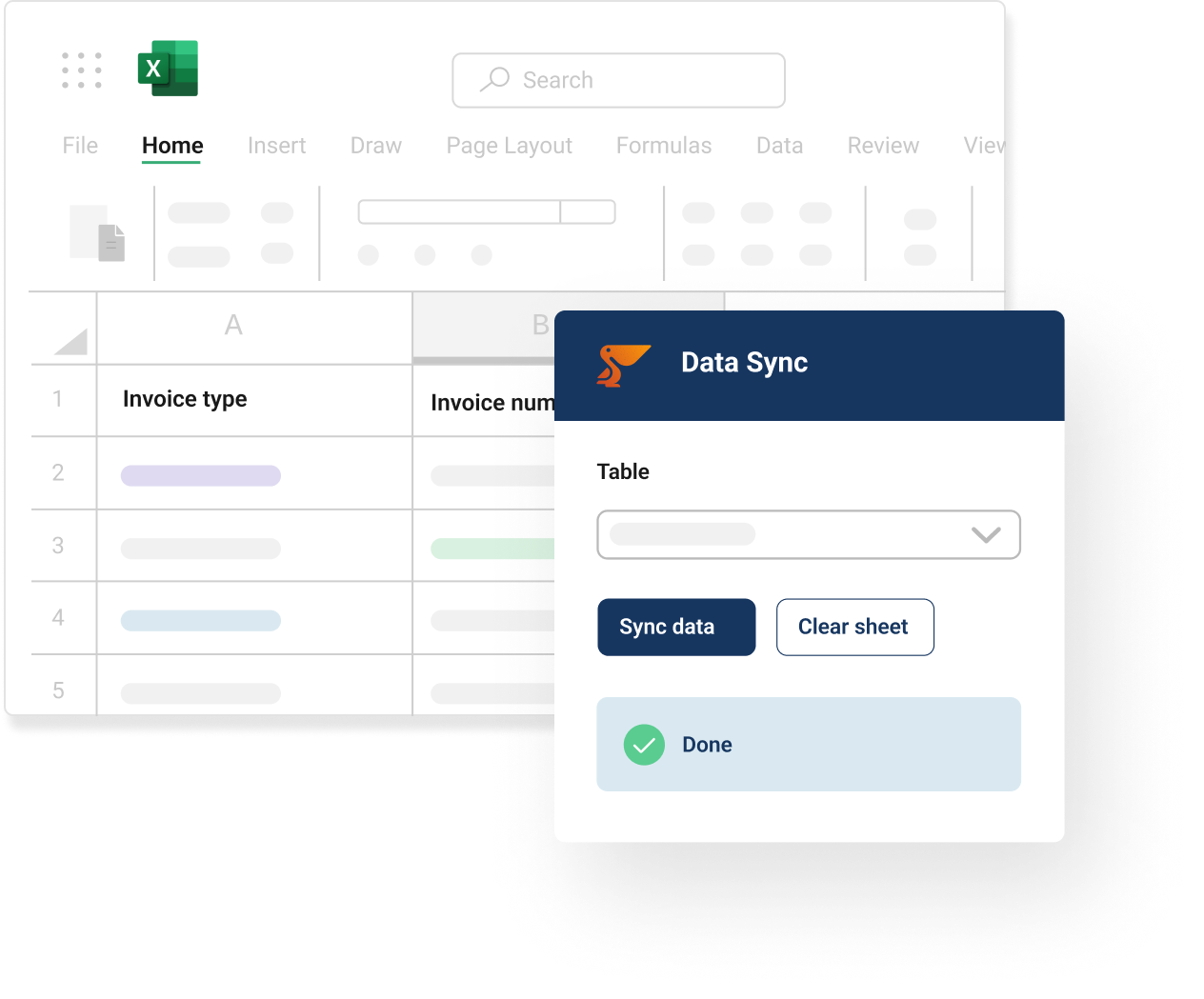
CFOs, CEOs and other business users can work with Peliqan data in Excel thanks to the Peliqan Excel add-in. Easily switch between data sources and work with your data in real-time in Excel.

Do more with Peliqan 2

Do more with Peliqan 3

Do more with Peliqan 4

Popular SQL queries for WeClapp

Ready-to-use queries once your WeClapp data is in a warehouse. Run them as-is or adapt them in Peliqan’s SQL editor.

Weclapp
Calculate the total sales amount for each article.

Weclapp
Count the number of opportunities for each salesperson.

Weclapp
Calculate the average attendance rate for all employees.

Weclapp
Rank the suppliers by total purchase amount.

Weclapp
Count the number of leads generated for each campaign.

Weclapp
Calculate the total revenue received for each payment method.

Weclapp
Count the number of tickets assigned to each user.

Weclapp
Calculate the total sales amount for each article.

Weclapp
Calculate the total purchase amount for each supplier.

Weclapp
Count the number of shipments for each shipment method.

Beyond Simple Sync

A cloud data platform for everything you want to do with WeClapp data after the sync.

Ad hoc analysis

Analyze your WeClapp data with SQL or in a spreadsheet.

Self-service access

Enable business users with controlled self-service data access to WeClapp.

Spreadsheet BI

Work with your WeClapp data in a spreadsheet that is always up-to-date.

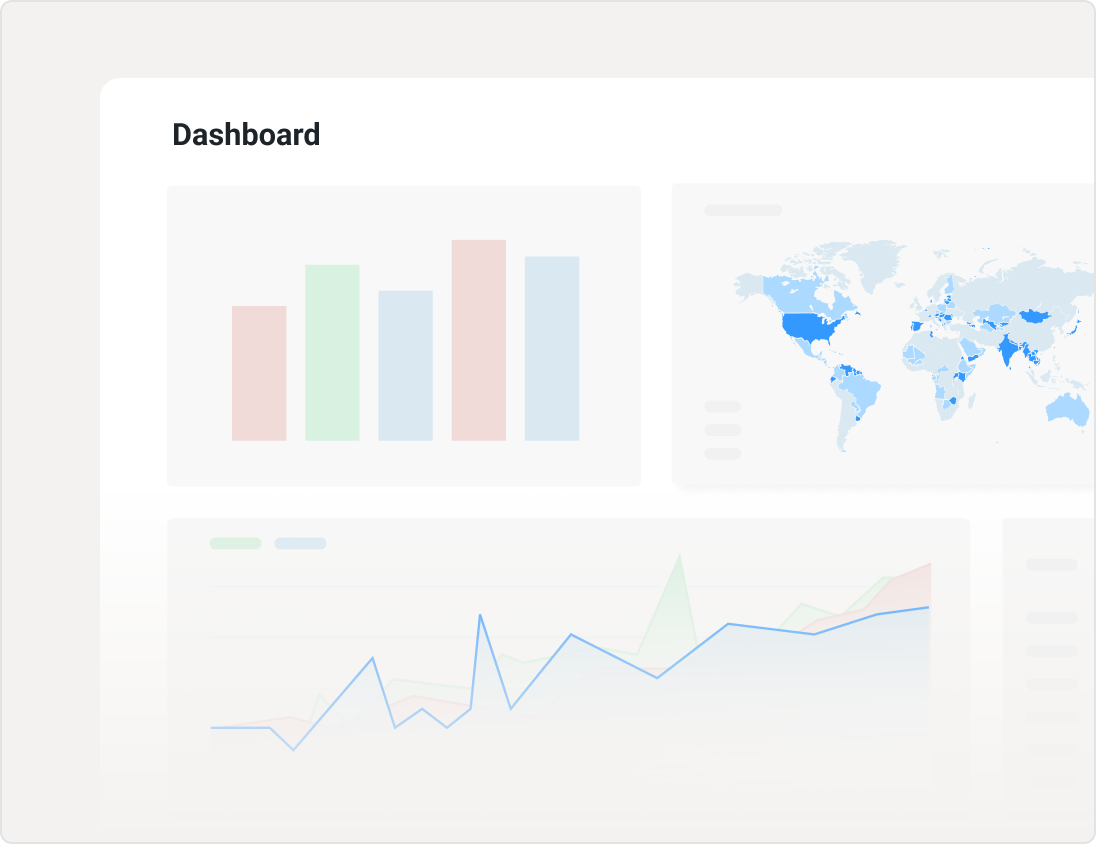
Dashboards

Create charts and visualize your WeClapp data in dashboards.

Data verification

Create views for “human in the loop” processes when working with WeClapp data.

Reporting

Build custom reports from WeClapp in HTML, PDF…

Frequently asked questions

How does Peliqan connect to Weclapp?

Peliqan connects to your SaaS business applications such as Weclapp through APIs, using for example OAuth 2.0 or an API key for authentication. The connection is typically added in a few clicks. For OAuth connectors, you authorize Peliqan to access your data. You can choose which objects to sync, and the connector handles incremental updates from there (if available in this specific connector). No code, no middleware, and no IT tickets to file.

Which Weclapp objects can I sync to my warehouse?

Peliqan typically syncs all standard objects from your business applications such as Weclapp. Peliqan usually also syncs custom objects and custom fields. The connector adapts to schema changes without manual reconfiguration. Browse the full connector catalog to see related connectors and integrations.

How often is Weclapp data updated in my warehouse?

Syncs can run up to every 15 minutes on the Pro plan, with custom schedules available on higher tiers. Sync mode is incremental where available, so only new and changed records are pulled, which keeps API call usage low and respects Weclapp rate limits.

Can I write data back to Weclapp from my warehouse?

Yes. Peliqan's reverse ETL pushes data from your data warehouse back into selected business applications. Please check Peliqan's documentation for details on "writeback" availability for specific connectors such as Weclapp, not all Peliqan connectors support reverse ETL/writeback. Reverse ETL is useful for syncing enriched scores, customer health metrics, billing data, or product usage signals into native Weclapp fields. Reverse ETL flows can run on a schedule, on demand, or be triggered by SQL conditions. Read the reverse ETL documentation for setup details.

What can I do with Weclapp data once it's in Peliqan?

Once Weclapp data lands in your data warehouse (such as Peliqan's built-in data warehouse or Fabric, Snowflake, BigQuery, Redshift or PostgreSQL), you can run SQL queries, build dashboards in Power BI, Tableau, Metabase, or Looker, combine it with data from other sources, feed it into AI agents through MCP servers, build Text-to-SQL and RAG workflows, or activate it through reverse ETL.

Peliqan also includes a built-in spreadsheet UI for ad hoc analysis without writing SQL.

Is the Weclapp connector secure and GDPR compliant?

Peliqan is SOC 2 Type II certified, GDPR compliant, and ISO 27001 certified. Weclapp credentials are stored encrypted at rest, all data transfers happen encrypted over TLS, and EU-resident data stays on EU infrastructure in the eu.peliqan.io region.

3 ways to get Weclapp data into a warehouse

Native Weclapp exports

  • Manual CSV exports from Weclapp reports
  • Row limits per export and no scheduled sync
  • No incremental updates, no schema management
  • Breaks when admins change schema
  • No two-way writeback

Custom code with the Weclapp API

  • Full control, but engineering-heavy to build
  • Must handle OAuth refresh and rate limits
  • Schema changes break pipelines silently
  • Ongoing maintenance burden on your team
  • Reverse ETL requires separate code

Weclapp on Peliqan

  • Managed connector, no code required
  • Incremental syncs, automatic schema evolution
  • Bidirectional writeback for reverse ETL
  • Built-in warehouse, BI, and AI in one platform
  • SOC 2 Type II, GDPR compliant, EU hosted

Request a Weclapp demo →

Ready to see all your company data in one place?

Connect WeClapp to the rest of your stack and build the reports, dashboards and AI workflows your team needs.